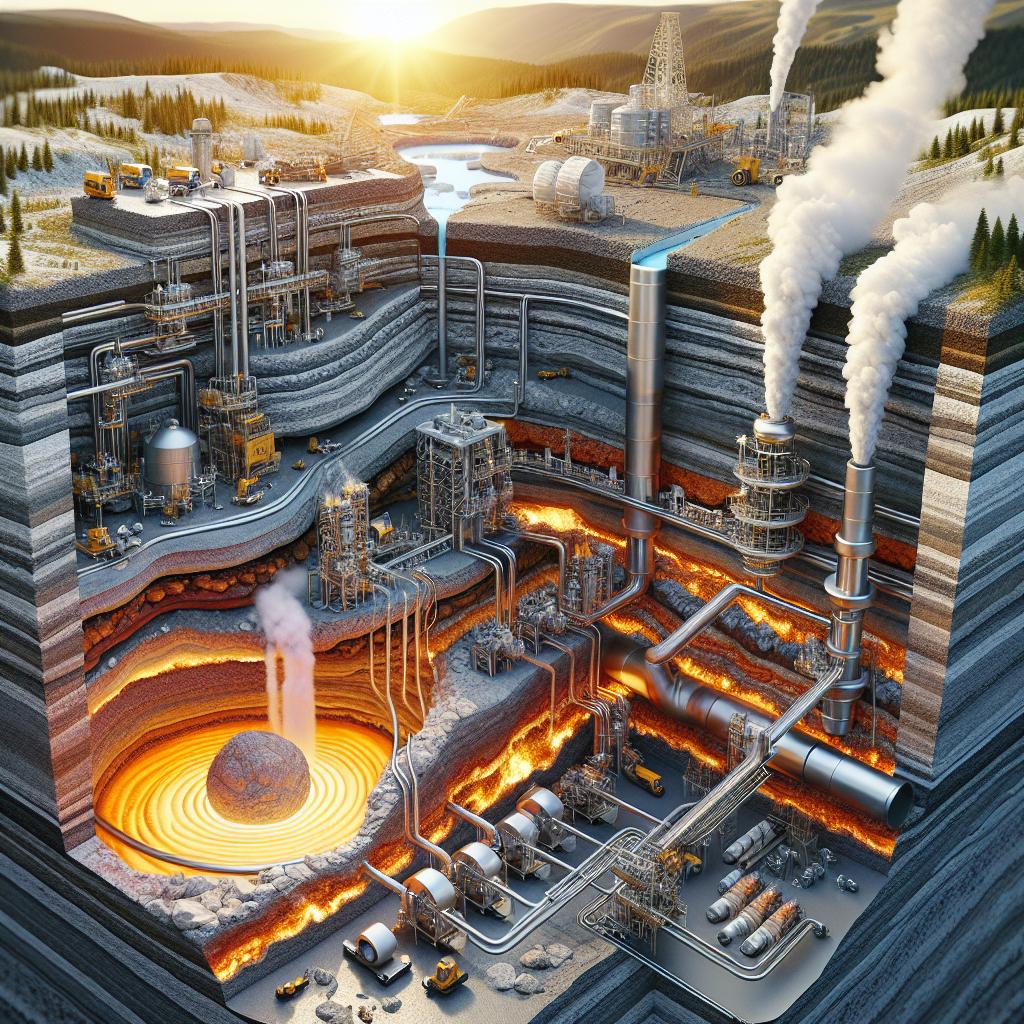
Geothermal energy accounted for nearly half of Kenya’s electricity generation for the twelve months leading up to June 2026, reinforcing its position as the country’s largest source of power, latest data from the Energy and Petroleum Regulatory Authority (EPRA) shows.
EPRA Report Details Geothermal Surge
According to EPRA’s Energy & Petroleum Statistics Report, geothermal power was responsible for 40.91 percent of the total electricity generation during the period. Geothermal production climbed to 6,420.51 GWh, marking an expansion of 702.35 GWh compared to the 5,718.16 GWh produced during the preceding year.
Hydropower Holds Second Place Despite Share Drop
Hydropower remained the second-largest source of electricity generation, contributing 22.65 percent to the energy mix. Hydro output experienced a rise of 50.84 GWh, moving from 3,503.47 GWh for the year ending June 2025 to 3,554.31 GWh for the year ending June 2026.
Wind Energy Secures Third-Largest Share
Wind power maintained its ranking as the third-biggest contributor to power production, making up 12.31 percent of the overall energy portfolio. Wind output saw a slight growth to 1,931.72 GWh compared to 1,907.57 GWh previously, representing a gain of 24.15 GWh.
Cross-Border Imports Meet Rising Domestic Demand
Electricity imports accounted for 12.19 percent of the total energy mix during the period under review. To satisfy local requirements, Kenya brought in 1,913.66 GWh of power, representing an elevation of 379.81 GWh over the 1,533.85 GWh purchased from abroad during the prior year.
Purchases from Ethiopia via the Ethiopian Electric Power (EEP) link totaled 1,577.66 GWh, making up 82.45 percent of all power brought into the country. Uganda supplied 322.06 GWh, equivalent to 16.83 percent, while Tanzania supplied 6.53 GWh. The border community of Moyale received the remaining 7.4 GWh of foreign electricity through deliveries from the Ethiopia Electric Utility (EEU).
Interconnected Thermal Generation Contribution
Interconnected thermal generation accounted for 8.34 percent of total electricity generation during the period under review.
Читайте также

