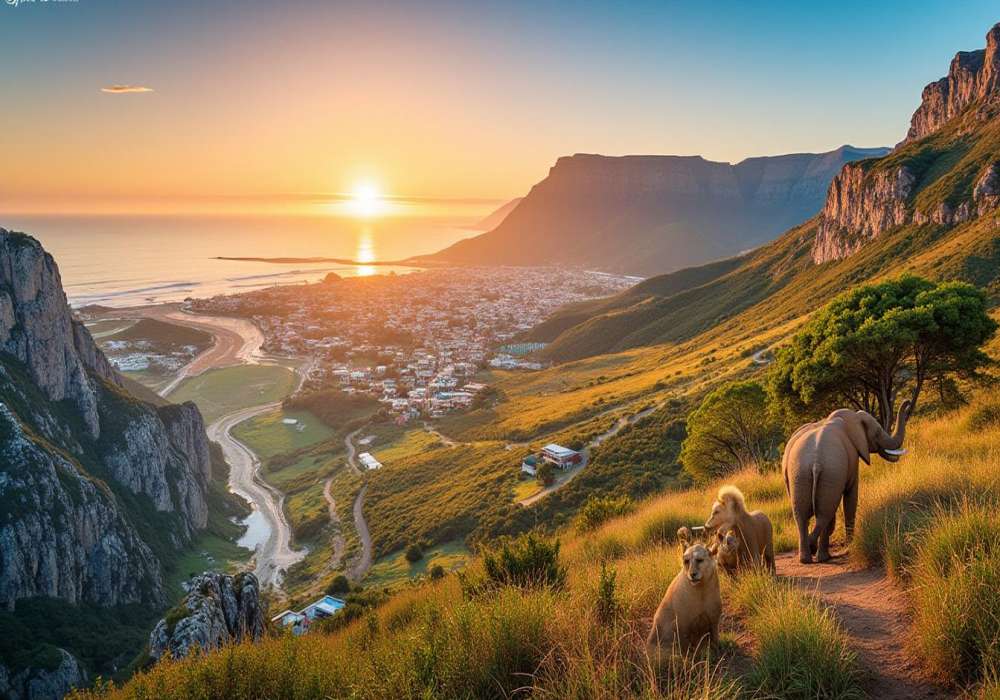
South Africa’s Kruger National Park has secured the top spot in a new ranking for the best autumn and winter safari destinations between September and December. The index highlights Kruger for its exceptional wildlife density, widespread accessibility, and diverse accommodation options that appeal to a range of travel budgets.
Travellers trading Northern Hemisphere autumn chills for Southern Africa’s wilderness are increasingly looking toward Kruger National Park, which claimed first place in Holafly’s Autumn/Winter Safari Destination Index. The ranking evaluated destinations based on seasonal conditions, wildlife density, accessibility, and conservation credentials. Kruger outpaced prominent wildlife areas including Tanzania’s Serengeti National Park, Zambia’s South Luangwa National Park, Zimbabwe’s Hwange National Park, and Kenya’s Maasai Mara National Reserve.
Why Kruger National Park Claims the Top Spot
The park’s leading position stems from a rare combination of wildlife abundance, well-maintained infrastructure, and cost-effective travel logistics. Unlike destinations that rely heavily on expensive light-aircraft transfers, Kruger is served by several regional airports and features an extensive road network managed by SANParks. This allows visitors to navigate different regions independently. Furthermore, the park offers a wide spectrum of public and private accommodations, allowing safaris to cater to different budgets without demanding the steep financial premiums associated with select East African reserves.
Regional connectivity also gives the park a distinct advantage for international visitors. Travel index data shows that Kruger ranks first for Australian, European, and North American travellers alike. Direct flight logistics and convenient connections through Johannesburg simplify the journey for long-haul visitors compared to more remote wilderness areas.
Navigating Private Reserves and Regional Ecosystems
While Kruger National Park defines the broader conservation landscape, treating the country’s entire safari scene as a single park overlooks a diverse network of specialized private reserves.

Sabi Sands, Mpumalanga: Renowned for exceptional leopard sightings, this reserve shares an unfenced boundary with Kruger, allowing animals to move freely. Decades of low-density, high-end lodges have accustomed local leopards to safari vehicles.
Madikwe Game Reserve, North West: Situated near the Botswana border, Madikwe is malaria-free, making it an ideal destination for families with young children seeking Big Five wildlife viewing and sightings of the endangered African wild dog.
Welgevonden Private Game Reserve, Limpopo: Located in the Waterberg Biosphere, this malaria-free zone features dramatic escarpments, hills, and valleys alongside smaller, more intimate lodges.
Phinda Private Game Reserve, KwaZulu-Natal: Phinda packs seven distinct ecosystems into a single reserve, offering varied game viewing alongside proximity to the warm beaches of the Indian Ocean.
Timbavati Private Nature Reserve, Greater Kruger: Famous for its rare white-lion gene, Timbavati provides a raw, less manicured safari experience within the Greater Kruger ecosystem.
Seasonal Shifts Between the Dry Season and the Green Season
Timing a visit between September and December offers distinctly different wildlife viewing conditions depending on the exact months chosen. September and October mark the tail end of the dry season. Sparse vegetation and diminishing water holes cause animals to concentrate around remaining water sources, yielding strong predator sightings and clear visibility.

By November and December, the landscape transitions into the Green Season. As seasonal rains return, the savanna turns lush, and thousands of newborn animals arrive across the plains. This seasonal shift creates a dramatically different visual and ecological experience for travellers.
Comparing Southern and East African Wilderness Options
Beyond South Africa, the index highlights competing destinations across the continent. Zimbabwe’s Hwange National Park secured fourth place overall, earning praise as an exceptional choice for September and October. Artificial waterholes maintained by ZimParks draw large concentrations of elephants close to lodges, offering high-value wildlife viewing that costs less than comparable experiences in neighbouring Botswana.
Meanwhile, Tanzania’s Serengeti National Park ranked second overall. Driven primarily by the Great Migration, the Serengeti attracts travellers prioritising sheer wildlife abundance. Between November and December, over 1.5 million wildebeest and zebras head south toward the short-grass plains ahead of calving season. However, higher conservation fees and logistical dependence on light-aircraft transfers lowered the Serengeti’s accessibility score in the index, keeping it positioned behind Kruger.
По теме

