
President Donald Trump suggested Tuesday he was serious about renaming Lake Ontario to Lake America amid a bitter trade dispute with Canada. Canadian officials swiftly dismissed the idea, while historians and Indigenous leaders noted the name’s deep roots in the region predating European settlement by centuries.
The diplomatic friction intensified after trade negotiations between Washington and Ottawa collapsed last week. In response to the breakdown, the Trump administration imposed 50 percent tariffs on roughly $20 billion worth of Canadian goods over the weekend. Canadian Prime Minister Mark Carney countered by unveiling retaliatory tariffs ranging from 15 percent to 50 percent, hitting U.S. exports dollar for dollar.
While defending the sweeping import duties on conservative commentator Glenn Beck’s radio show, Trump brought up his geographic rebranding campaign. He pointed to his previous executive action formalizing the Gulf of Mexico as the Gulf of America on his first day in office.
Canadian Officials and Residents Dismiss the Rebranding Threat
Canadian leaders made it clear that Ottawa would ignore any unilateral U.S. attempt to alter the name of the shared waterway.
The dispute has strained regional relationships across the border. Ontario Premier Doug Ford acknowledged in a television interview that things had gotten a little personal, suggesting both nations needed to lower the temperature and return to negotiations.
Local leaders in upstate New York expressed similar frustration over the ongoing trade conflict. Rochester Mayor Malik Evans released a statement calling the proposal a publicity stunt designed to distract the public from critical issues that harm low- and middle-income consumers.
Indigenous History and the Origins of the Name Ontario
Historians and Indigenous leaders pointed out that the name Ontario carries centuries of heritage that predate both the Canadian province and modern North American borders. According to the Center for Great Lakes Literacy, the designation stems from the Iroquois word Ontarí’io
, which translates to lake of shining waters or beautiful water.
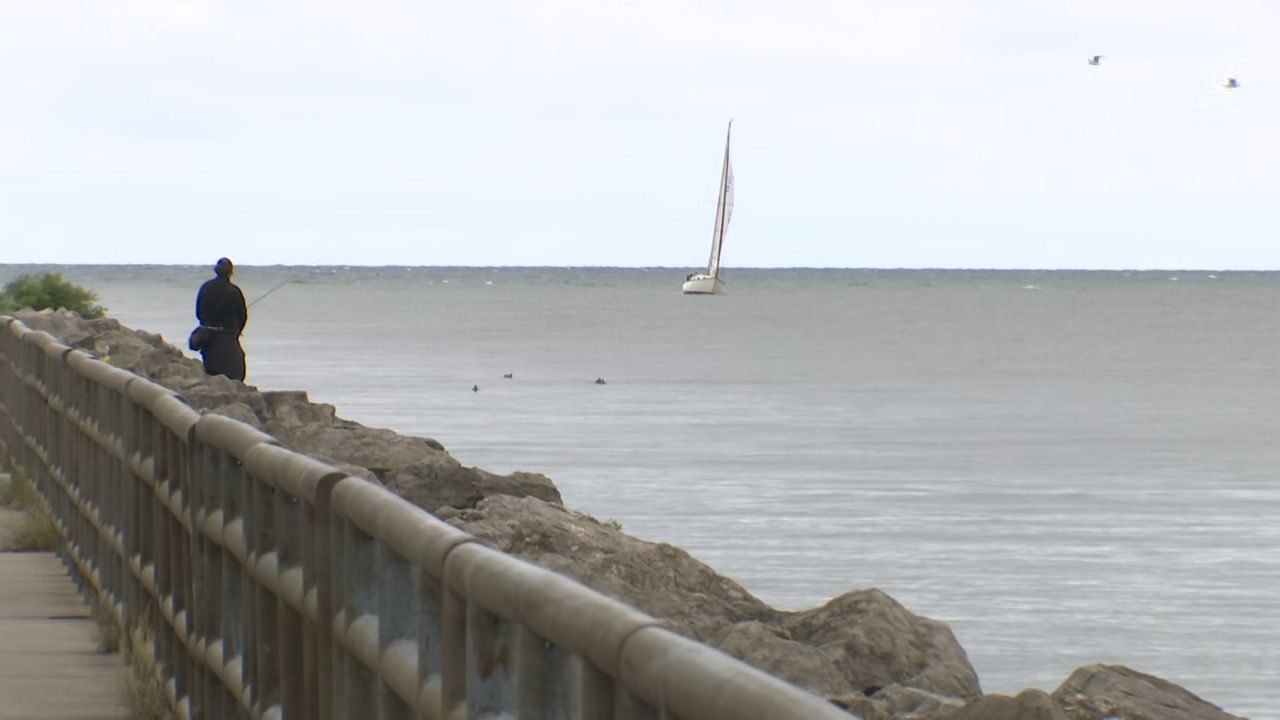
Michael Galban, director of the Seneca Art and Culture Center at Ganondagan State Historic Site, noted that European explorers adopted the Indigenous terminology when mapping the region in the 1600s. He explained that renaming landmarks is historically a way to assert ownership and control.
“It’s a lot of politics involved in the whole trade discussions, and our culture should not be eroded in that process or our rights.”
Chief Maracle criticized the proposal as an attack on Indigenous identity.
Legal Realities and the U.S. Board on Geographic Names
While the executive branch holds broad authority over how domestic federal agencies recognize geographic markers, experts emphasize that Washington possesses no legal power to compel other nations or international organizations to adopt a renaming.

In the United States, official naming duties fall to the U.S. Board on Geographic Names through a formal review process. When the administration ordered the alteration of the Gulf of Mexico in February 2025, federal departments adopted the change, but international bodies and neighboring countries such as Mexico continued using the historical designation.
Daniel Macfarlane noted that the Canadian shoreline encompasses the most populous portion of the lake’s basin. Because the majority of the surface area and surrounding population lie north of the international boundary, unilateral actions taken in Washington hold little weight across the border.
Tourism and Trade Uncertainty on Both Shores
Business owners and tourism advocates near the waterfront warn that escalating rhetoric and tariffs carry genuine economic consequences.
With Trump threatening new 50 percent tariffs on Canadian vehicles, auto parts and steel, cross-border industries face a narrowing window to resolve their differences. Officials from both countries have left the door open for future discussions, but trade negotiators have yet to schedule formal talks to bridge the widening gap.
Ещё по этой теме

