
Malian singer-songwriter Salif Keïta has announced the cancellation of his upcoming commercial performances in South Africa, citing a refusal to ignore reports of xenophobic violence against African migrants. The artist, often called the Golden Voice of Africa
, stated that while he is not rejecting the South African people, he is closing the door on violence.
Response to Xenophobic Violence
Keïta emphasized that his withdrawal is a rejection of hate rather than the people of South Africa, stating, Colonial borders separate us on a map, but they must never divide our humanity
. He indicated a willingness to return when the time is right for “healing, dignity and ubuntu,” adding that he would still sing in a township or listen to a community in need.
Impact on Cultural Events
The cancellation affects Keïta’s scheduled appearance at the Manguang African Cultural Festival, which is set to take place from September 3 to 13, 2026. The Free State’s culture department expressed regret over the decision, maintaining that the festival was intended to celebrate African unity.
This is not the first time the artist has missed a South African date this year; Keïta previously pulled out of the Montreux Jazz Festival in Franschhoek due to a sudden illness, though his band performed without him.
Rising Anti-Migrant Tensions
The musician’s decision follows a period of intensifying anti-migrant protests and marches against illegal immigration in South Africa. Groups such as March and March and Operation Dudula have led aggressive campaigns, demanding the departure of undocumented foreigners and blockading public services. These demonstrations in cities including Pretoria, Johannesburg, and Durban have resulted in widespread displacement and multiple fatalities.

The crisis has led to significant population shifts, with an AFP tally indicating that more than 160,000 foreigners have left South Africa through repatriation programs since late May. These repatriations include citizens from several nations:
- Nigeria (approximately 1,500 people)
- Ghana
- Malawi
- Zambia
- Zimbabwe
- Mozambique
Recent reports indicate that 173 Tanzanian nationals also returned home from Durban, a center of recent demonstrations. While anti-migrant groups claim undocumented foreigners strain public services and jobs, South African authorities have stated that immigration laws should be enforced through legal channels and have taken action against those accused of violence and vigilantism.
Broader Effects on African Entertainment
The tension surrounding migration is increasingly impacting cross-border cultural exchanges. In July, a planned Lagos concert by Grammy-winning South African singer Tyla was removed from her A*POP World Tour schedule following boycott calls from some Nigerians. While Tyla’s management did not publicly confirm the cause of the change, the event mirrored the current tensions that led to Keïta’s withdrawal.
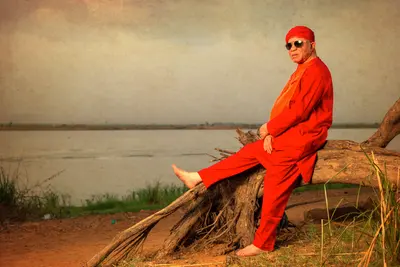
Keïta, a four-time Grammy nominee who won the 2010 Victoire de la Musique for World Music Album of the Year for La Différence, has spent over five decades in music. His decision to pull out of South Africa adds a cultural dimension to a crisis already straining diplomacy and labor flows across the continent.
Читайте также

