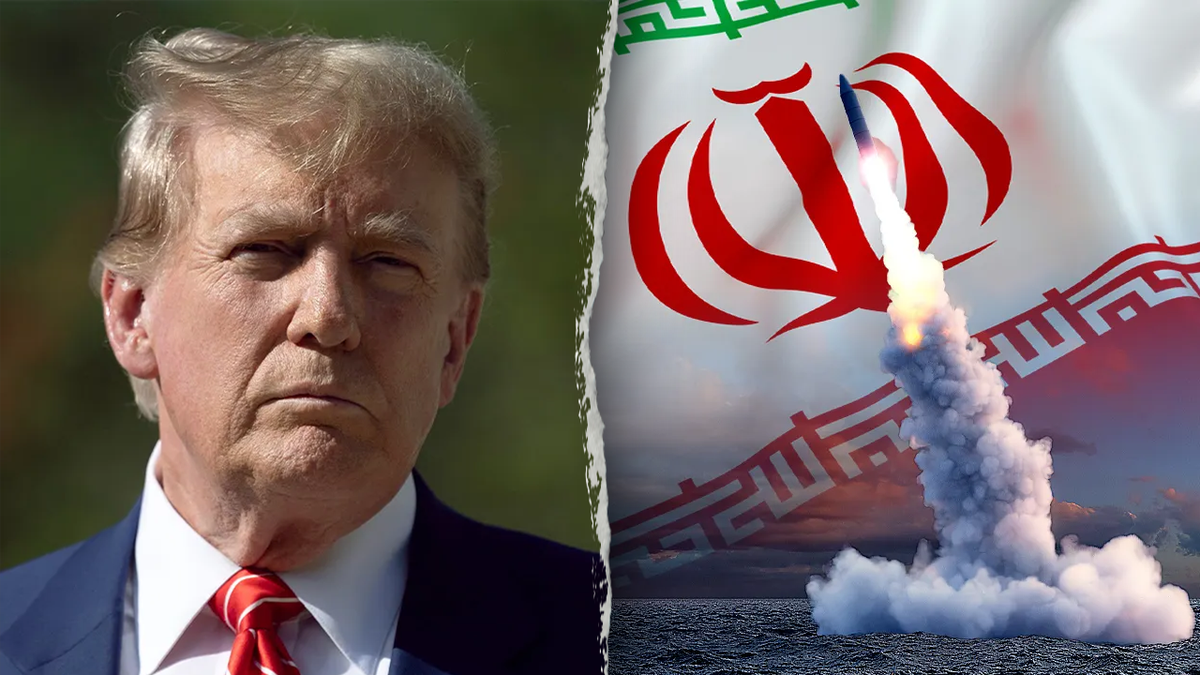
Iran launched ballistic missiles and explosive drones at U.S. regional positions and allies early Wednesday, defying President Donald Trump’s warning of a severe response following a wave of American airstrikes that Iranian officials report included a deadly attack on a civilian wedding party in Kuhestak.
The latest military flare-up follows a monthlong lull in hostilities and pushes a six-month conflict into a sharper escalation phase. According to AP News, fighting resumed after the U.S. military targeted Iranian rocket launchers positioned on an island in the Strait of Hormuz to prevent mining operations in the crucial waterway. U.S. Central Command reported that the strikes focused on military infrastructure, including radar systems, air defense batteries, and maritime assets.
The six-month war has led to a spike in oil prices, roiled the global economy, and posed increasing political problems for U.S. President Donald Trump’s Republican Party ahead of November midterm elections. American military resources are stretched, political pressure in Washington is mounting, and Iran’s economy falters, with its currency hitting a record low on Wednesday as traders in Tehran exchanged 2.20 million rials for one U.S. dollar, marking a 10% hike from the previous week’s record.
Hamidreza Azizi, senior Iran analyst at the Crisis Group, an international think tank, stated that neither side can continue indefinitely between full-scale war and a truce. At some point, one of the sides may see a need to escalate in order to break this cycle,
Azizi cautioned, adding that So that could bring the two sides to a point that they have been trying to avoid until now, which is a full-scale war.
Casualties in Kuhestak and Regional Retaliation
Iranian media and officials reported that an overnight U.S. strike struck a home hosting a wedding celebration in Kuhestak, a coastal town overlooking the Strait of Hormuz. AP News noted that at least five people died, including two women and two children aged four and 16, while at least 68 others sustained injuries. Security camera footage carried by the semiofficial Fars news agency showed several heavy explosions shaking Kuhestak with fireballs that lit up the night sky, while images from the semiofficial Tasnim news agency showed hospitalized children being treated for injuries at a facility in the nearby town of Minab. The Iranian Red Crescent recorded four fatalities and over 50 injuries from shrapnel at a wedding celebration in nearby Sirik. The U.S. military stated it was aware of the reports but maintained that its operations never target civilians.
Iran’s Ministry of Foreign Affairs spokesman Esmaeil Baghaei described the Kuhestak strike, stating it was brutally attacked tonight while families were celebrating a wedding.
The Islamic Revolutionary Guard Corps carried out combined operations in Jordan, Iraq, and Bahrain
In response to the bombardment, the Islamic Revolutionary Guard Corps declared that US bases and interests across the region are now coming under attack by Iranian missiles and drones,
carrying out combined operations in Jordan, Iraq, and Bahrain. The IRGC stated that its Aerospace Force carried out a heavy ballistic-missile strike against a U.S. Marine facility known as Camp Titiin on the shores of the Gulf of Aqaba. The BBC reported that by early Wednesday Iran had launched a barrage of ballistic missiles at a U.S. Marine base in Jordan’s Aqaba, and the Jordanian Armed Forces said it intercepted 13 ballistic missiles, destroying 10 while three fell in remote areas.
Bahrain, which hosts an important U.S. naval base, reported that its air defense systems intercepted incoming fire from Iran early Wednesday, issuing a military statement accusing Iran of attacks targeting civilians.
Kuwait stated that a fire broke out at a residential complex in the capital after a dawn Iranian drone strike, noting the blaze had been contained with no casualties, and added that its air defenses confronted Iranian drones and missiles. In Iraq, Kurdish authorities reported intercepting 10 explosives-laden drones in the Irbil area, while Iranian television reported that American bases in Irbil had been targeted. Additionally, Israel’s military stated that Iran-backed Hezbollah fired two explosive drones at its soldiers in southern Lebanon without causing casualties.
Defying Presidential Warnings and Firing on Gulf Allies
President Trump delivered a public warning that any retaliation by Tehran would cause them to be hit again at a much harder and higher level
The overnight salvo directly challenged President Trump’s public warning delivered on Tuesday that any retaliation by Tehran would cause them to be hit again at a much harder and higher level.
Trump also told Fox News: They tried to rebuild their radar because they can't see anything.

Mohsen Rezaei, the recently appointed head of Iran’s powerful Supreme National Security Council, posted on X: You will soon see that Iran’s new strategy on the battlefield, in diplomacy, and in confronting the economic blockade will shatter your foundations.
Colonel Ebrahim Zolfaghari was also quoted stating that the offensive operations against the Americans will continue until they regret their crimes.
Adm. Brad Cooper stated that the Strait of Hormuz had been secretly cleared of mines
Meanwhile, Sascha Bruchmann, an analyst with the International Institute for Strategic Studies’ Middle East office in Bahrain, noted that the initial standoff had appeared to shift slightly in the U.S.’ favor with oil prices around $80 a barrel and Iranian leaders discussing growing economic hardships. Last week, U.S. Central Command’s Adm. Brad Cooper stated that the Strait of Hormuz had been secretly cleared of mines and that the U.S. Navy had helped nearly 1,500 commercial vessels carrying some 750 million barrels of oil pass through in recent months. Bruchmann stated: He basically told the world oil is flowing out and Iran is not capable of restricting the U.S.'s approach,
adding that The U.S. is trying to reinstall some kind of confidence into the global oil markets … and the Iranians had to respond to that by reinserting insecurity and doubt.
The price of Brent crude oil has climbed to around $95
Since the fighting resumed, the price of Brent crude oil has climbed to around $95, representing an increase of more than 30% from the start of the war.
Читайте также

