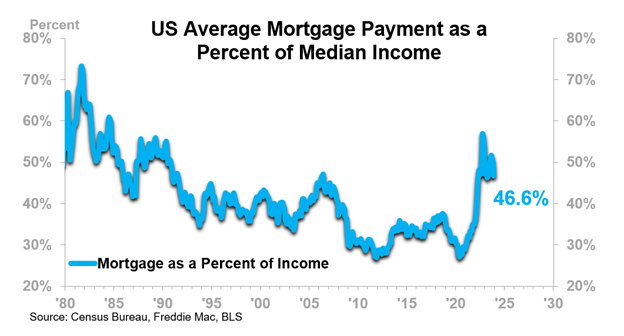
Mortgage rates climbed to their highest level since 2024 last week, pushing total loan applications down by 1.5% and causing a portion of borrowers to choose adjustable-rate mortgages to manage surging borrowing costs.
Homebuyers and current homeowners are searching for savings as borrowing costs climb. Total mortgage application volume decreased 1.5% from the previous week, according to the seasonally adjusted index from the Mortgage Bankers Association.
Surging Rates and the Shift Toward Adjustable-Rate Mortgages
The average contract interest rate for 30-year fixed-rate mortgages with conforming loan balances of $832,750 or less increased to 7.12% from 6.97%. Points rose to 0.73 from 0.72, including the origination fee, for loans backed by a 20% down payment. Separate data tracked across lender marketplaces, such as Zillow data, showed national averages hovering around 6.55% for standard 30-year fixed loans, while other indices captured the sharper weekly spikes hitting conforming balances.
As traditional fixed financing grows increasingly expensive, a growing segment of borrowers is turning to alternative loan structures. The adjustable-rate mortgage share of total applications reached 9.8%, climbing from 8.4% the week before last. During the pandemic-era lows, ARM usage was barely 3%. ARMs can carry a fixed rate for up to 10 years but will adjust either higher or lower depending on where the market is when that term is up.
“With fixed rates much higher, more borrowers opted for ARMs, with the ARM share reaching 9.8%, as rates for 5/1 ARMs were more than a percentage point lower than those for fixed rate loans,”
Mike Fratantoni, senior vice president and chief economist at the MBA
Refinancing Activity Plummets to Early 2025 Lows
The refinance market continues to bear the brunt of higher interest rates. Applications to refinance dropped 3% for the week and sank 62% lower than the same week one year prior. That marks the lowest volume recorded since February 2025.
A year ago, prevailing 30-year fixed loans sat 78 basis points lower—more than three-quarters of a percentage point beneath current levels—leaving very few homeowners with a financial incentive to replace their existing low-rate mortgages. Purchase applications also retreated, falling 1% for the week and resting 11% below year-ago levels. The fall housing market, usually the second busiest compared with spring, is now underway, but real estate agents are already noting a sharp pullback due to higher rates.
Market Adjustments and Bond Yield Movements
While the broader economic environment pushed rates upward, early-week movements signaled minor relief. Mortgage rates ticked slightly lower following a drop in oil prices and a subsequent easing of bond yields noted Mortgage News Daily, which reported that it was a fairly uneventful day to start the new week as the underlying bond market was slightly stronger. Average lenders reduced top-tier 30-year fixed rates by a marginal 0.01% compared to Friday, keeping rates right in line with where they stood prior to last week’s Fed rate hike. Underlying motivation for the bond market can mostly be attributed to lower oil prices, which have been a common source of intraday inspiration for better or worse.
Many ARMs keep your rate the same for a predetermined period, after which the rate will go up or down depending on several factors, such as the economy, and the maximum amount your rate can change according to your contract.
Читайте также

