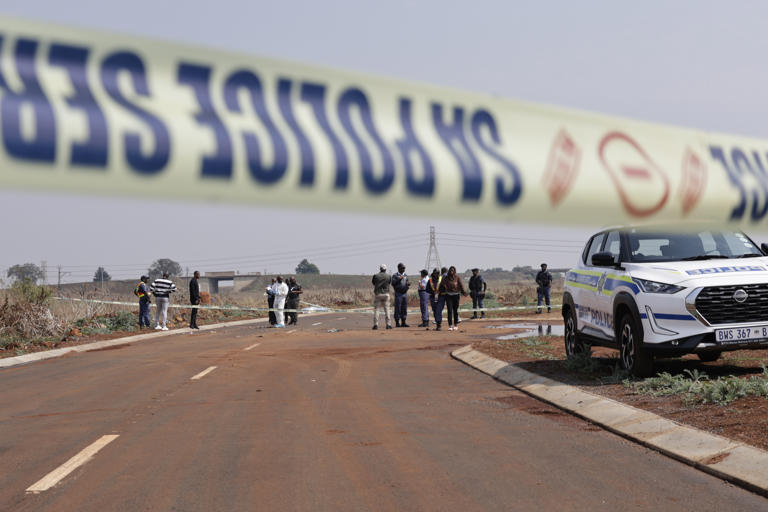
Refugees and asylum seekers in Durban, South Africa, face intense uncertainty and fear ahead of a September 30 deadline set by an anti-immigration movement. Hundreds spent months sleeping outside the Refugee Reception Centre, leading up to local government elections scheduled for November 4.
Life on Che Guevara Road Outside the Durban Refugee Reception Centre
For roughly four months, hundreds of refugees and asylum seekers slept on the pavement outside the Durban Refugee Reception Centre on Che Guevara Road. The displaced group included individuals from the DRC and Burundi, as well as Uganda, Mozambique, and Tanzania, who sought safety after fleeing their home communities out of fear of antiforeigner attacks.
Instead of finding immediate protection, families spent months exposed to the elements, relying entirely on volunteers and civil society organizations for food, medication, and basic necessities. Conditions grew increasingly desperate at the makeshift camp. Migrants reported irregular access to essential supplies, and one man suffering from tuberculosis died while living on the pavement, though reporters have not independently established the circumstances surrounding his death.
It has been very tough. Never before have I experienced something like this.
Bishop Raphael Bahebwa, refugee from the Democratic Republic of the Congo
Clashes, Street Violence, and Police Intervention in Durban
Tensions boiled over near the reception centre when members of the March and March movement confronted refugees living outside on September 3. Violence erupted, forcing police to intervene and leaving at least four people injured. During a subsequent demonstration days later, officers had to position themselves as a physical barrier between the opposing groups.
Government Eviction Clears the Pavement Camp
In mid-September, authorities moved to clear the informal settlement outside the Department of Home Affairs office. The displaced individuals faced a stark choice: return to the very communities they had fled or accept temporary placement at the Lindela facility in Gauteng, a government-run immigration detention center hundreds of kilometers away that is historically used for holding individuals facing deportation.
The ultimatum fractured the community. On September 15, 274 people boarded buses bound for Lindela, while approximately 150 others chose to stay behind in Durban to seek alternative shelter. For those remaining, the clearance did nothing to solve their underlying vulnerability. Kafuti Muyumba, a small business owner and refugee community representative from the DRC, said that people remain deeply afraid to return to the neighborhoods where they built their lives, just weeks before South Africa heads to local government elections on November 4.
Ещё по этой теме