
The Austrian government has agreed to reactivate and significantly expand its fuel price brake in response to sharply rising fuel prices, according to reports from Der Standard. The new measures are designed to reduce the cost of gasoline and diesel by more than twelve cents per liter beginning in October.
Austrian Government Reactivates Fuel Price Brake to Lower Costs
The updated framework was agreed upon by the governing parties, including the ÖVP, SPÖ, and Neos, ahead of the expiration of the previous September model. According to the ORF, the federal government stated that combating inflation remains one of its highest priorities.
Details of the Tax Reductions and Margin Caps
The comprehensive relief package consists of multiple coordinated components aimed at reducing costs directly at the pump. According to Oberösterreichische Nachrichten, the Mineralölsteuer (mineral oil tax) will be reduced by 6.7 cents, which brings diesel taxation down to the European Union minimum.
In addition to the tax cut, the measure introduces a margin limitation of 3.5 cents per liter on oil companies. The reduction in fuel prices also automatically decreases the value-added tax (VAT), bringing the total combined relief package to over twelve cents per liter. Vizekanzler Andreas Babler noted that individual tank fillings are expected to become roughly 5 euros cheaper under the new policy.
Background and Economic Context
Fuel prices had climbed significantly following recent geopolitical tensions and market developments. According to government statements cited by ORF, the escalation in the Middle East and associated economic pressures led to a pronounced surge in fuel costs, with diesel reaching a record average of 2.268 euros per liter in mid-September.
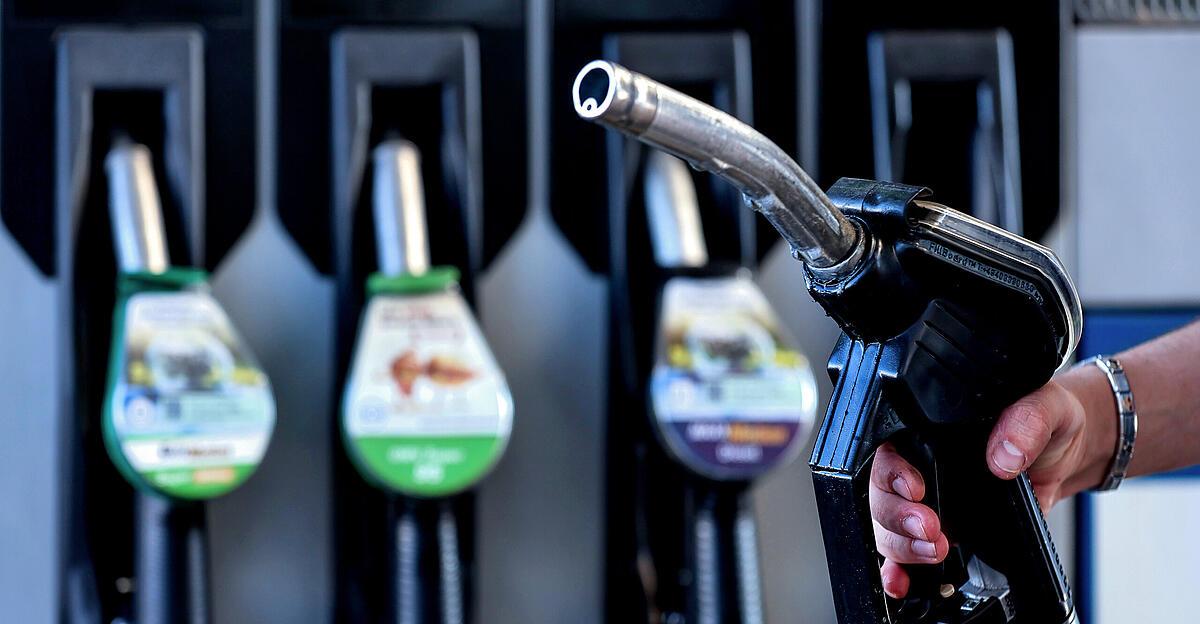
The fuel price brake was originally established in April following previous oil price spikes. The newly restructured measure will apply for the months of October and November. Financing for the 6.7-cent mineral oil tax reduction will be drawn from higher-than-expected value-added tax revenues generated by the elevated fuel prices, alongside an advance on expected revenues from the fossil energy crisis contribution for 2026.
Reactions From Political Parties and Organizations
The reintroduction of the price brake and the inclusion of a profit margin cap drew a wide range of responses from political figures, industry groups, and advocacy organizations.

* Federal Leadership: Chancellor Christian Stocker emphasized that the government is actively countering market developments to protect households and businesses. Vizekanzler Andreas Babler added that authorities will not permit high fuel costs to severely impact the broader economy. Foreign Minister Beate Meinl-Reisinger stressed the importance of dampening price peaks without destabilizing supply security or market competition. * Labor and Trade Unions: The Austrian Trade Union Federation (ÖGB) argued that mineral oil companies had accumulated massive profits at the expense of commuters. While supporting the intervention, union representatives such as Angela Pfister and PRO-GE chief Reinhold Binder maintained that the margin restrictions still left room for even stricter measures. * Business and Industry: Conversely, organizations including the Austrian Economic Chamber (WKÖ), the Industrialists’ Association (IV), and WIFO institute head Gabriel Felbermayr raised concerns that intervening in corporate profit margins could negatively impact supply security if suppliers choose to sell their fuel elsewhere. * Motoring and Environmental Groups: The Austrian Automobile, Motorcycle and Touring Club (ÖAMTC) welcomed the package as a step in the right direction. Meanwhile, the WWF criticized the plan as populist waste, and the VCÖ called for structural policies focused on reducing overall fuel consumption.
По теме

