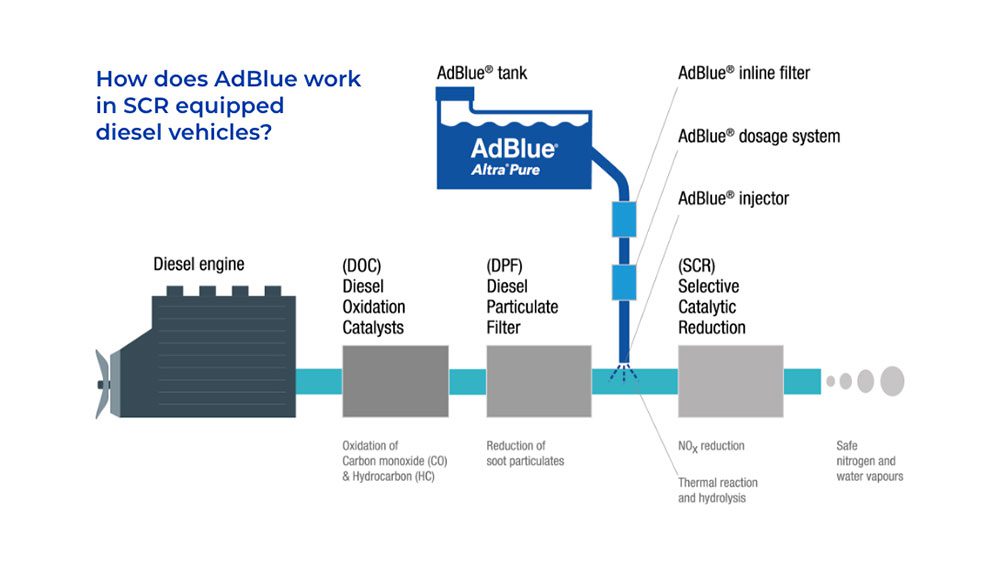
The automotive industry is undergoing continuous shifts, with electric vehicles reaching every segment and hybrids emerging as an operational fix for problems that diesel technology attempted to solve but ultimately could not, according to Investor. Europe has tightened anti-pollution requirements to a threshold that many manufacturers considered insurmountable, marking a definitive decline for diesel engines. Central to that regulatory struggle was an emissions-treatment technology that failed to perform as originally designed.
The Two-Decade Evolution of Selective Catalytic Reduction Systems
The technology underpinning diesel exhaust cleanup debuted two decades ago. In 2006, a company specializing in catalytic converter systems obtained the specification for first-generation selective catalytic reduction (SCR) systems designed to meet Euro 6 standards through urea injection, according to Investor. Initial technical documents specified an average AdBlue consumption of 100 milliliters per hour.
That consumption followed a strict 5%
rule, meaning the consumption of the purifying fluid should equate to roughly 5% of diesel consumption based on gross emissions. According to Investor, that standard assumed a vehicle consuming two liters of diesel per 100 kilometers at a constant speed of 100 kilometers per hour. Because such fuel economy is unattainable for any standard road vehicle, the mismatch exposed a secondary design flaw: the physical size of the AdBlue storage tank.
Mercedes, Audi, and Opel Tank Capacity Redesign Realities
When the technology first debuted with Mercedes, the ML 320 Bluetec model launched equipped with a 28-liter tank paired with an advertised fluid consumption rate of 0.1 liters per 100 kilometers, according to Investor. That consumption rate represented between 1% and 3% of diesel usage, falling well below the 5% baseline rule. Later iterations scaled capacity upward; the modern successor, the GLE, expanded its AdBlue tank capacity to 31.8 liters.
Similar scaling occurred across other German brands. According to Investor, the 2018 Audi Q5 owner’s manual documented a fluid consumption range between 1% and 4%, which varied depending on individual driving styles. Opel models equipped with early SCR catalysts featured tanks holding only 8 liters, while modern equivalents have increased tank volumes to as much as 22 liters to cope with operational demands.
Secret Industry Discussions and Escalating Fluid Deposits
Those constrained initial tank volumes were not accidental design choices. Investigative reporting published by Der Spiegel in 2017 revealed that BMW, Daimler, and the Volkswagen Group held discussions over a period of years regarding the sizing constraints of purifying fluid reservoirs, according to Investor. Those talks focused on keeping tank capacities from exceeding the 8-liter threshold, even though internal research documents indicated that at least 19 liters of fluid were necessary for proper SCR system operation.
The operational consequences of those tight thresholds became apparent over time. According to Investor, the volume of AdBlue actually injected into exhaust streams has steadily increased across the years, causing chemical deposits to grow correspondingly and rendering routine fluid top-ups during standard vehicle maintenance intervals insufficient for proper emissions control.
Читайте также

