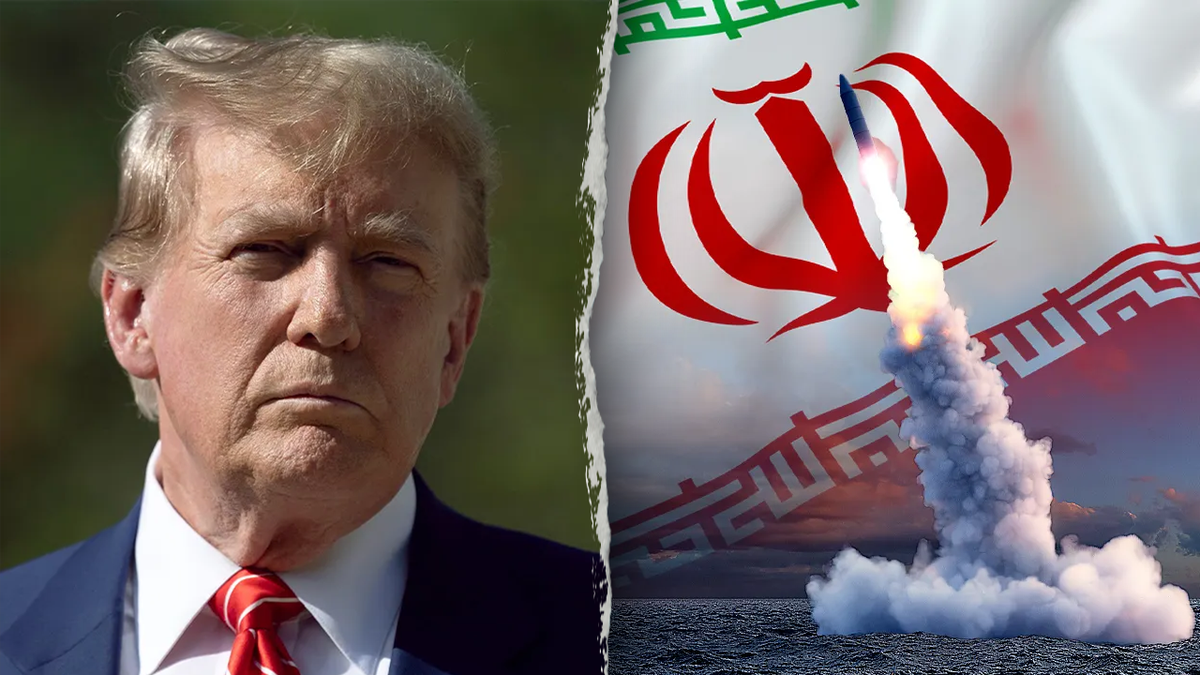
Iran rejected U.S. warnings and demanded that Washington accept the reality of defeat after President Donald Trump suggested declaring the Strait of Hormuz a United States territory. Tensions remain high as a 60-day negotiating window closes with oil traffic slowed to a trickle and tanker strikes continuing.
A defiant Tehran told Washington on Saturday to accept the reality of defeat and stop indulging in delusions
following remarks by President Donald Trump regarding the strategic Middle Eastern waterway.
Trump’s Territorial Suggestion and Gasoline Prices
Speaking on Friday at a police academy in Nassau County, New York, Trump maintained that Iran was being very badly defeated
in the ongoing conflict. He told the gathered law enforcement officers that once victory was secured, pretty soon, I’ll be declaring the Hormuz Strait a territory of the United States.
Acknowledging the economic impact on domestic consumers, Trump urged Americans to accept slightly higher fuel costs, telling the crowd that paying a tiny little bit more
at the pump was worth the cost of ensuring a very evil country
could not have a nuclear weapon. President Donald Trump
Vice President JD Vance, who has been tasked with leading negotiations to end the war, stated on Fox News that the primary goal was keeping oil and gas cheap for Americans, with the secondary objective ensuring Iran never acquires a nuclear weapon. Tehran has repeatedly insisted it has no desire to develop nuclear arms.
Iran’s Response and the Impasse Over Negotiations
Iranian Deputy Foreign Minister Kazem Gharibabadi pushed back sharply against the U.S. stance in a post on X early Saturday, asserting that the critical shipping lane handles one-fifth of the world’s oil.
“This strait will only be opened and closed under Iran’s command, and as long as you do not accept the reality of defeat and stop indulging in delusions, Iran will continue to enforce the blockade.”
Kazem Gharibabadi, Deputy Foreign Minister
Gharibabadi added that the waterway cannot be seized with a tweet, nor with an aircraft carrier, nor by issuing an order, nor through an election speech,
warning that as long as you do not accept the reality of defeat and stop indulging in delusions, Iran will continue to enforce the blockade.

A 60-day negotiating period established when Trump and Tehran signed a memorandum of understanding in mid-June concludes on Monday. Despite this approaching deadline, Iranian Foreign Minister Abbas Araghchi stated in an interview published Friday with Shahrara News that no negotiations currently taking place between Tehran and Washington.
Araghchi noted that Qatar and Pakistan were acting as mediators and remained in contact with Iran, but clarified that this does not at all constitute negotiations
and that no decision has yet been taken to resume talks with America.
Abbas Araghchi, Foreign Minister of Iran
Strait Disruptions and Market Reactions
Commercial transit through the Strait of Hormuz remains severely restricted. While 130 to 140 vessels typically traverse the corridor during peacetime, analysis from ship-tracking firm Kpler showed that only two vessels passed through on Friday, with no crude oil shipments visible.
Vessels attempting the crossing face active hazards. The United Kingdom Maritime Trade Operations Centre reported Saturday that a bulk carrier was struck in the hull by an unknown projectile in the Strait of Hormuz on Friday. The organization run by the British navy confirmed the crew was safe, though damage assessments and environmental impacts remained undetermined.
Global commodity markets have steadied since the initial wartime spikes, but remain elevated.
Читайте также

