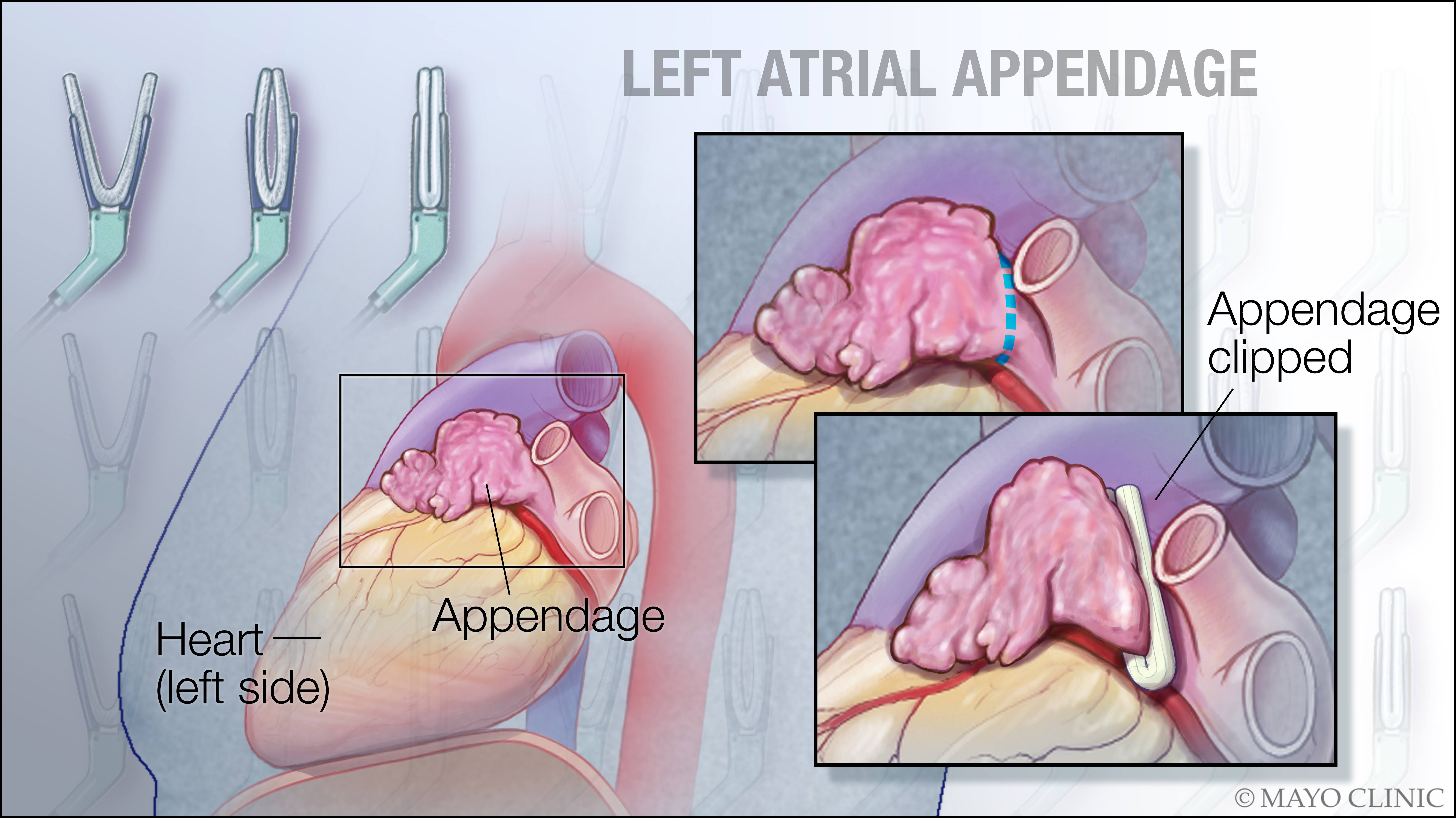
Results from the LAACS-2 trial indicate that routine closure of the left atrial appendage (LAA) is not supported for all patients undergoing open-heart surgery, though individuals at high risk for stroke may experience benefits. The findings were presented during a Hot Line session at the ESC Congress 2026.
Findings from the LAACS-2 Trial
The LAA is a small muscular pouch located in the left atrium of the heart and is recognized as a frequent source of blood clots in patients diagnosed with atrial fibrillation (AF). While ESC Guidelines recommend surgical closure of the LAA as an adjunct to oral anticoagulation for patients with AF undergoing cardiac surgery, evidence has remained lacking regarding patients without a known history of the condition.
Associate Professor Helena Dominguez, affiliated with Bispebjerg University Hospital in Copenhagen, Denmark, and colleagues previously conducted the smaller LAACS trial. Commenting on the earlier research, Dominguez noted that long-term follow-up showed a lower risk of stroke following LAA closure regardless of whether patients had AF. This led the research team to conduct the larger LAACS-2 trial to further examine if LAA closure offers protective effects for patients with, but primarily without, prior AF.
Trial Design and Patient Demographics
The LAACS-2 trial took place across four distinct sites located in Denmark, Spain, and Sweden. The study population included individuals undergoing first-time planned open-heart surgery who did not have AF, alongside participants with a prior diagnosis of either paroxysmal or chronic AF.

A total of 1,500 patients were randomized in a 1:1 ratio to undergo either concomitant LAA closure or standard care involving an open LAA. Key demographic and baseline clinical characteristics of the cohort included:
- Mean age: 67 years
- Female participation: 18.5%
- Pre-existing atrial fibrillation: 4.1%
- Prior stroke history: 6.1%
- Prior transient ischaemic attack: 2.5%
Across a median follow-up period of 4.0 years, researchers observed no significant overall difference in the primary outcome of stroke or transient ischaemic attack between the LAA closure group and the standard care group, with rates of 4.28% versus 5.04% respectively (hazard ratio 0.85; 95% confidence interval 0.53 to 1.37; p=0.517). Furthermore, overall mortality showed no significant difference between the two groups.
Subgroup Impact and Future Research Directions
Despite the lack of an overall significant difference in the primary endpoint, a notable subgroup analysis revealed that patients exhibiting the highest baseline stroke risk—defined as those with a CHA2DS2-VASc score above the median—experienced a 56% reduction in the primary endpoint when undergoing LAA closure (p=0.018). Conversely, patients with lower baseline stroke risk demonstrated no significant benefit.

Our results do not support routine LAA closure in all patients undergoing planned cardiac surgery. However, closure appeared to confer protection in patients at high risk of stroke,
stated Associate Professor Dominguez.
Highlighting parallels to the original LAACS trial, Dominguez noted that primary endpoint curves diverged over time, indicating that follow-up activities will continue. Additionally, the research group pointed to an ongoing mechanistic study designed to deepen understanding regarding stroke risk following LAA closure in open-heart surgery patients.
По теме

