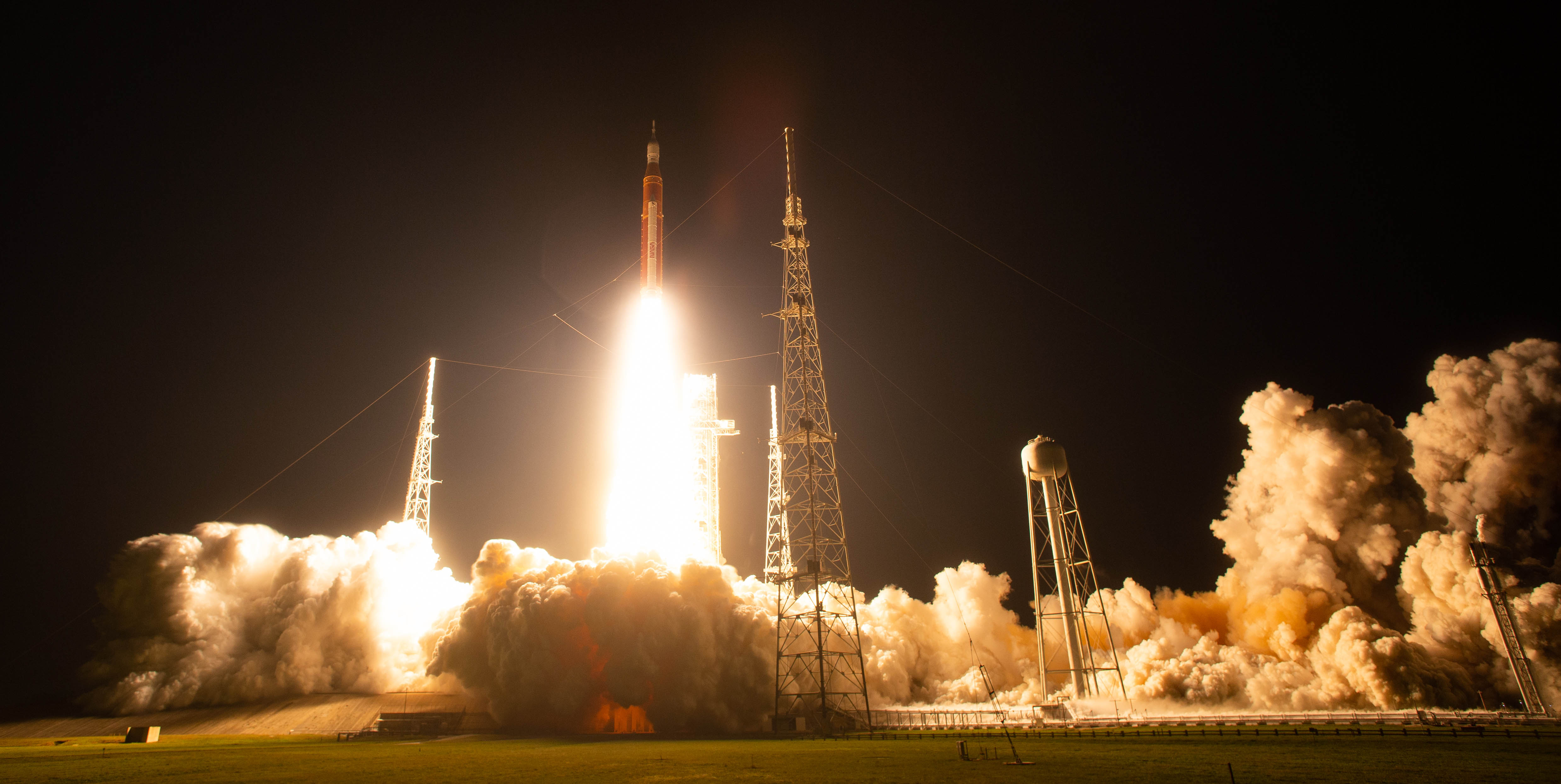
SpaceX’s Starship completed its first orbital flight on September 28, 2026, marking a pivotal step toward reusable space travel and lunar exploration. The mission deployed 26 Starlink V3 satellites and tested critical systems, including the heat shield, during a 10-hour journey around Earth.
SpaceX’s Starship rocket achieved its first orbital flight on September 28, 2026, a milestone that advances the company’s goals of reusable space travel and lunar missions. The 14th test flight, launched from Boca Chica Beach in Texas, sent the Starship into orbit for the first time, with the upper stage completing six orbits before splashing down in the Pacific Ocean near Chile. The mission also marked the debut of Starlink V3 satellites, which aim to enhance global broadband connectivity.
Orbital Milestone and Satellite Deployment
The flight tested Starship’s ability to reach orbital speeds of approximately 17,500 mph, a key requirement for future missions to the moon and Mars. During the 10-hour mission, the upper stage deployed 26 Starlink V3 satellites, which feature 1 terabit-per-second downlink capacity and 160 gigabits-per-second uplink capacity. Three of these satellites were equipped with cameras to monitor Starship’s heat shield during reentry, a critical component for achieving full reusability. SpaceX stated that reaching orbit allows the next stage of making Starship fully and rapidly reusable to commence.

SpaceX’s Starship launches on first orbital mission from Texas
The launch followed a 75-minute window that opened at 8:15 a.m. EDT, with SpaceX adjusting the schedule due to technical checks. The Super Heavy booster, which powered the initial ascent, was designed to return to Earth but instead performed an offshore landing in the Gulf of Mexico. This test aimed to evaluate the booster’s software and hardware upgrades, while the Starship upper stage continued to orbit before initiating a controlled reentry. The company noted that prior flight tests had used suborbital trajectories that were passively safe to prioritize public safety while still enabling significant learning.
The flight plan included approximately six orbits around the Earth at an altitude of about 275 kilometers. SpaceX had initially targeted September 22 for the launch but delayed it by six days, though no official explanation was provided. The 75-minute launch window opened at 7:15 a.m. local Texas time (8:15 a.m. EDT / 1215 GMT).
Heat Shield Testing and Reusability Goals
Surviving reentry is essential for SpaceX’s reusable spacecraft plans, and the mission included detailed inspections of Starship’s heat shield. Three Starlink V3 satellites captured imagery of the heat shield’s condition during atmospheric reentry, providing data to refine future designs.
The heat shield on the newly launched Starship was modified based on hands-on inspections from the recovered spacecraft from the Indian Ocean, which was being tugged back to Starbase. SpaceX aims to achieve full reusability by refining systems like the heat shield, a goal critical for reducing launch costs. The company’s broader vision includes using Starship to transport cargo and crew to Mars, with the company announcing a $100 billion investment in a Louisiana spaceport to support future launches starting in 2029.
Spacex Starship First Orbital Flight
The mission also highlighted Starship’s role in NASA’s Artemis program, which aims to return humans to the moon. NASA plans to test docking Starship with its Orion capsule during the Artemis III mission, slated to launch late next year. SpaceX’s Starship is designed to be fully reusable, a key to lowering launch costs, and the company has already salvaged the last Starship from the Indian Ocean in July.
Future Implications and Next Steps

SpaceX plans to attempt a controlled catch of the Starship upper stage during its next flight, a move that could accelerate reusable rocket operations. The company has also outlined plans to phase out its Falcon 9 rocket, which has been used for Starlink launches from Florida, in favor of Starship’s greater payload capacity. Our popularity would diminish very rapidly if Starship’s safety protocols fail, Elon Musk warned, highlighting the high stakes of the mission.
The success of Flight 14 clears a major hurdle, but SpaceX must still demonstrate consistent reusability, satellite deployment, and heat-shield durability across multiple missions. The company’s next test will focus on refining these systems, with a goal of achieving reliable, cost-effective space travel. This will also mark the first time we plan to deploy Starlink V3 satellites into the constellation, delivering a payload that will dramatically expand connectivity speeds and reliability around the world, SpaceX stated.
SpaceX’s Starship rocket launches toward orbit for first time
The 14th flight was the first to send Starship into orbit, a critical milestone toward SpaceX’s ambitions of sending people to the moon and Mars. Previous flights followed suborbital trajectories, with the spacecraft returning to the Indian Ocean to minimize risks. However, this mission’s orbital trajectory allows Starship to carry out satellite deployments and test long-duration flight systems. The upper stage’s ability to complete six orbits and reenter safely is a significant step forward for the program.
SpaceX had to determine whether to proceed to orbit after one of Starship’s six engines failed during the ascent phase of the flight. About 22 minutes into the flight, the team determined it was safe to proceed. To be reusable, the Super Heavy booster, which utilized 33 rocket engines for liftoff, was created to return to its launch site to be captured by the launch tower. However, this booster simulated a landing offshore in the Gulf of Mexico as part of the test.

SpaceX’s Starship is part of the company’s broader strategy to revolutionize space travel. The rocket is designed to be fully reusable, with the goal of drastically reducing the cost of launching payloads into orbit. The successful orbital flight of Starship brings the company closer to its vision of enabling human settlements on Mars and supporting deep-space exploration.
The mission’s success also has implications for the global satellite internet industry. Starlink V3 satellites, with their enhanced bandwidth capabilities, are expected to improve internet access in remote areas. SpaceX’s ability to deploy these satellites from an orbital-capable vehicle demonstrates the company’s growing operational maturity.
As SpaceX continues to refine Starship’s systems, the company faces ongoing challenges related to reliability, safety, and regulatory approvals. However, the progress made in Flight 14 shows the rapid pace of innovation in the commercial space sector. With each test flight, SpaceX gets closer to realizing its vision of making space travel more accessible and sustainable.