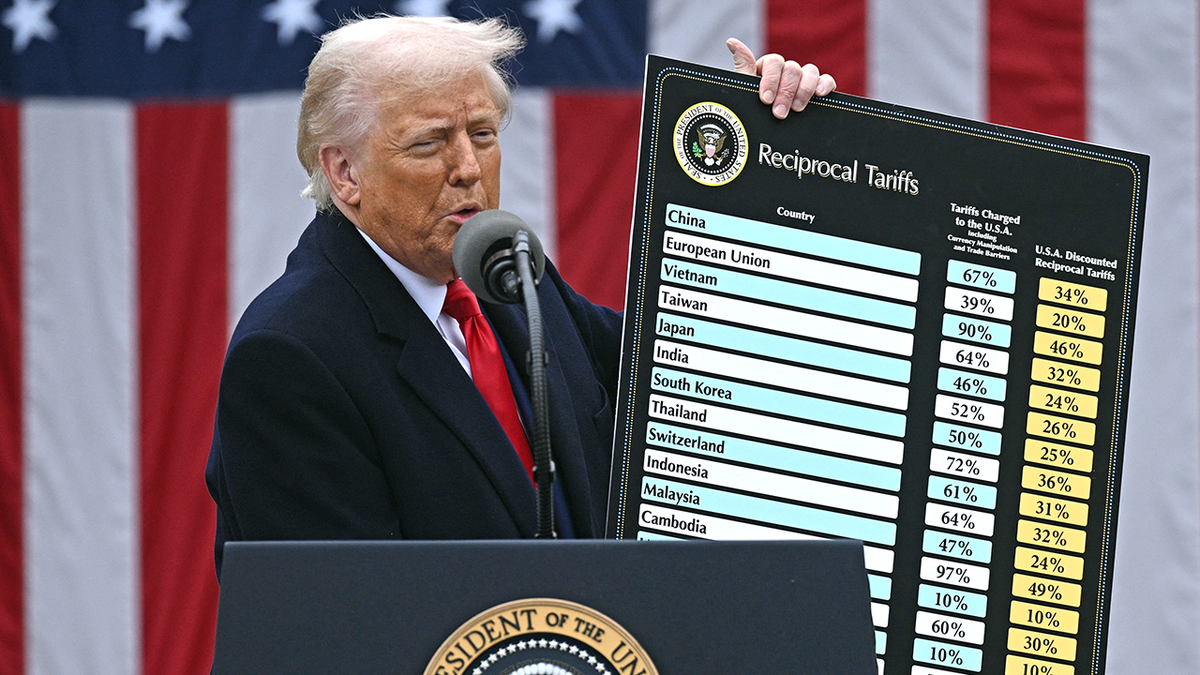
President Donald Trump threatened to cut trade with nations maintaining a trade surplus with the United States unless the Federal Reserve lowers interest rates.
The push resurrects a high-stakes clash between the White House and the nation’s central bank. Donald Trump intensified pressure on the Federal Reserve during comments celebrating the latest labor market figures, demanding that policymakers reduce interest rates at their upcoming policy meeting scheduled for September 15 and 16.
Employment Growth Sparks Rate Debate at the Federal Reserve
The growth figures surpassed initial expectations among market analysts, prompting the administration to argue that the underlying strength of the American economy warrants cheaper borrowing costs.
Despite the robust employment data, the White House insists that high borrowing costs place domestic industries at a structural disadvantage. Ahead of the central bank’s next policy gathering, Kevin Hassett, the administration’s chief economic advisor, acknowledged that administration officials respect the central bank’s independence while maintaining that arguments for steady rates could be robust.
Kevin Hassett, White House Chief Economic Advisor, via El Financiero stated that they respected the independence of the Federal Reserve, though he believed the arguments for keeping interest rates unchanged would be quite solid.
Trade Surplus Warning Targets International Partners
The administration’s trade ultimatum ties monetary policy directly to international commerce. Insisting that a competitive economy requires looser monetary conditions, the president published a direct demand on social media.

Donald Trump, U.S. President, via Informador
The president argued that economic sovereignty requires lower borrowing expenses, asserting that a strong country means having lower interest rates and demanding that rates drop to match historical lows.
Pressure Returns Under New Central Bank Leadership
The renewed campaign marks an escalation in tensions between the executive branch and the Federal Reserve, just months after Kevin Warsh assumed the chairmanship of the central bank. During the previous policy meeting in late July, the central bank maintained its benchmark interest rate in a range between 3.5 and the 3.75 %.

While presidential friction against the monetary authority had moderated following the leadership transition from Jerome Powell, statements signal a return to aggressive public lobbying. Addressing the central bank leadership directly, the administration called for a shift in policy posture.
Donald Trump, U.S. President, via Informador stated that it was better than tariffs, and that the Federal Reserve Board, with its great new leader, needed to act intelligently and be patriotic for once.
As policymakers prepare for the September 15 rate decision, high borrowing costs continue to draw sharp criticism from the White House. The administration maintains that current monetary settings create an unfair economic environment, setting the stage for a confrontation when the Federal Open Market Committee convenes later this month.
По теме

