China’s state medical insurance system disproportionately benefits higher-income earners while saddling the country’s poorest households with the heaviest financial burdens. A national study reveals that the poorest fifth of the population shouldered 37% of the disease burden in 2023 but received just 6.8% of insurance payouts, underscoring widening healthcare inequities.
China’s push to achieve universal health coverage faces structural hurdles as researchers examine the distribution of healthcare benefits across different socioeconomic groups. While national reforms have aimed to expand medical security and alleviate poverty tied to poor health, fixed premium structures and fragmented coverage policies have inadvertently favored wealthier segments of the population, according to recent findings published in academic literature.
Disparities in Payouts and Disease Burden Across Income Brackets
The stark divide in China’s healthcare system is anchored by significant imbalances between financial contributions and actual reimbursements. A national study published recently in The Lancet Regional Health – Western Pacific documents how the economic burden of illness concentrates heavily among the disadvantaged while insurance funds flow more readily to high-income earners.
The data shows that the poorest fifth of Chinese households shoulder 37% of the nation’s total disease burden. Yet, that same demographic received a mere 6.8% of medical insurance payouts in 2023. Analysts point out that fixed premiums and fragmented policy implementation create barriers for low-income residents, preventing them from accessing the same level of financial relief as wealthier participants.
Rural Health Insurance Integration and the Pro-Rich Inequality Trend
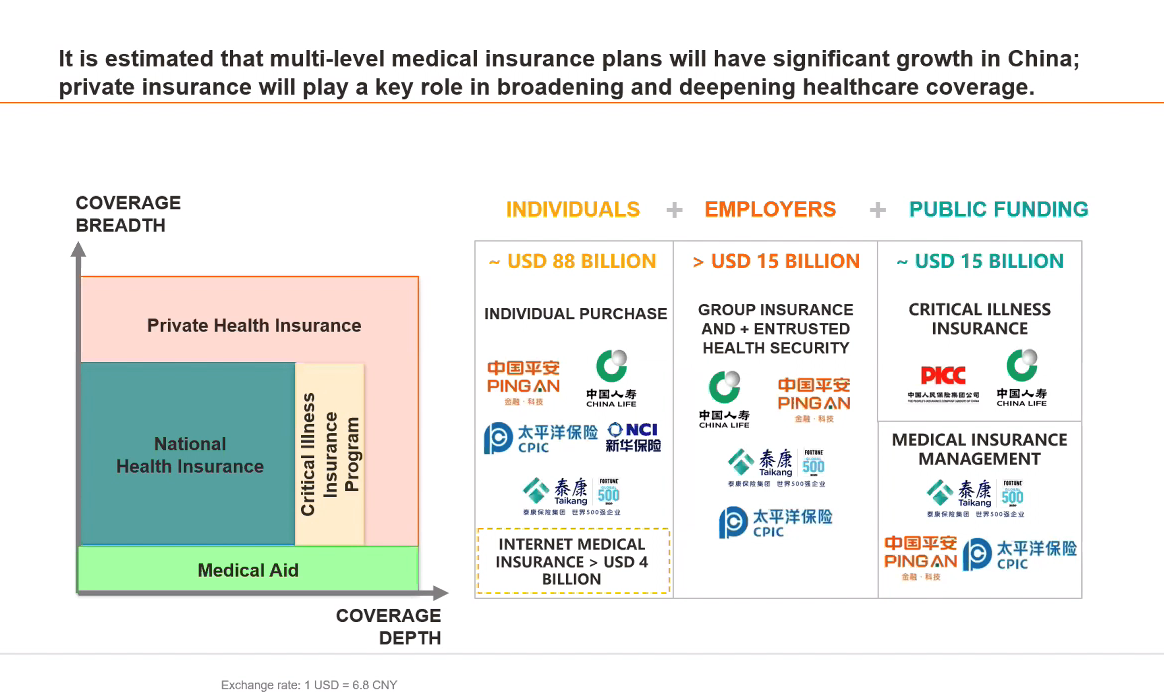
Efforts to unify insurance schemes have encountered similar challenges in rural communities. In 2003, the New Rural Cooperative Medical System targeting farmers was officially piloted, though medical insurance benefits for rural residents remained significantly lower than those for urban residents. In 2016, the State Council issued the Opinions on Integrating the Basic Medical Insurance Systems for Urban and Rural Residents,
which mandated the integration of the Urban Resident Medical Insurance System and the New Rural Cooperative Medical System nationwide, aiming to establish a unified Urban–Rural Resident Basic Medical Insurance (URRBMI). The reform was designed to elevate medical security levels for farmers and curb income-based health disparities. However, empirical examinations of the URRBMI utilizing data from the China Health and Retirement Longitudinal Study (CHARLS) covering the period from 2013 to 2018 reveal complex outcomes. Research indicates that while the URRBMI successfully elevated the level of medical security, reduced the frailty index of rural residents, and improved the health status of rural residents, it also exacerbated health inequality across income groups. The analysis demonstrates that China exhibits “pro-rich” health inequality, and the URRBMI exacerbates health inequality among rural residents with different incomes. This result remains robust when replacing the frailty index with different health modules. The analysis of influencing mechanisms indicates that the URRBMI exacerbate inequality in the utilization of medical services among rural residents, resulting in a phenomenon of subsidizing the rich by the poor
and intensifying health inequality. Furthermore, URRBMI have significantly widened health inequality among the older adult and in regions with a higher proportion of multiple-tiered medical insurance schemes.
Policy Recommendations for Equitable Healthcare Financing
The persistence of socioeconomic health stratification has prompted calls for structural adjustments to China’s medical security framework. Alleviating health inequality among different income groups has become a significant policy goal in China to promote common prosperity. To correct these imbalances, it is suggested that China consider establishing a medical financing and benefit assurance system that is related to income and age and separately construct a unified public medical insurance system for the older adult population. Readers should consult qualified professionals regarding individual healthcare decisions or insurance inquiries.

Читайте также

