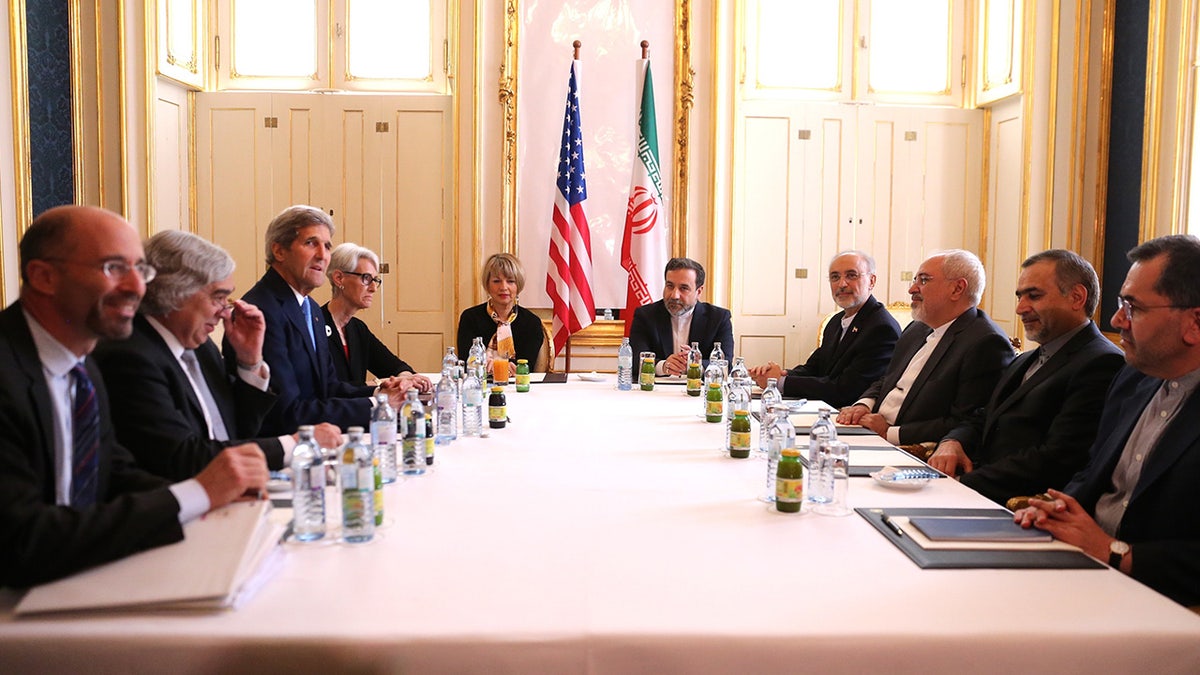
United States and Iranian officials held three hours of direct talks in New York on Tuesday, September 22, marking their first high-level engagement since a June ceasefire collapsed. The diplomatic opening unfolded while President Donald Trump threatened to annihilate the Islamic Republic if the conflict remains unresolved.
High-Stakes Diplomacy Unfolds on the Sidelines of the United Nations
Senior American and Iranian delegations conducted a three-hour meeting behind closed doors at United Nations headquarters in New York on Tuesday as part of the annual General Assembly gathering. The unexpected sit-down marked the first direct contact between the two adversarial nations since a ceasefire fell apart in June.
President Donald Trump revealed the negotiations during an afternoon meeting, describing the discussions as productive. According to the BBC, Qatari mediators shuttled between the American and Iranian teams throughout the day to communicate conditions.
The US delegation included special envoy Steve Witkoff and Jared Kushner, while Iranian state television confirmed that Foreign Minister Abbas Araghchi participated in the discussions.
“They successfully completed a round of discussions that we hope will prove constructive and promising. The mediators will continue their work.”
Steve Witkoff, US Special Envoy
Ultimatums and Coercive Diplomacy From the General Assembly Podium
The diplomatic outreach ran parallel to severe public warnings from Washington. Hours before confirming the negotiations, Trump delivered a wide-ranging address to world leaders in which he defended the nearly seven-month war that began with US and Israeli air strikes on February 28. Most members of the Iranian delegation walked out of the assembly hall as Trump railed against the government in Tehran.
From the podium, the US leader framed the conflict as a stark binary choice for the Iranian leadership, threatening overwhelming force while simultaneously keeping the door open for a negotiated settlement that would permit the country to rebuild economically.

“Will a deal be made with Iran that lets them rebuild and create a far greater country than it ever was before? Or do I annihilate the Islamic Republic and do it quickly, never giving them a chance to kill and destroy people and countries again? Do I drive them into hell?”
President Donald Trump
Secretary of State Marco Rubio defended the administration’s dual-track approach earlier in the day during an appearance on television, stating that Trump remains open to meeting with any leader if it serves the purpose of solving problems.
Strait of Hormuz Blockade and Competing Demands Shape the Talks
At the core of the confrontation is the Strait of Hormuz, a vital maritime corridor through which roughly 20% of the world’s oil and liquefied natural gas formerly passed before the war closed the waterway.

The ongoing hostilities have choked Iran’s economy, depreciated its currency, and induced wild price fluctuations in global energy markets. Iranian state media reported that Foreign Minister Araghchi presented mediators with conditions including an end to the war on all fronts and to US acts of aggression
.
Tehran, conversely, has demanded an end to all US military aggression and the lifting of the naval blockade.
Regional Consultations and Domestic Political Pressures
Beyond the direct meetings with Iranian representatives, Trump convened with leaders from Gulf Cooperation Council nations—including Bahrain, Kuwait, Oman, Qatar, Saudi Arabia, and the United Arab Emirates—alongside Jordan to evaluate the trajectory of the war.
The diplomatic push coincides with domestic political vulnerabilities in the United States. The prolonged military engagement has emerged as a significant liability for the Republican party’s efforts to maintain legislative majorities in Congress during the upcoming midterm elections in November.
Trump said that the conflict could realistically reach a resolution shortly after the November vote. Both American and Iranian officials confirmed that a follow-up round of discussions is expected to take place in the near future.
По теме