
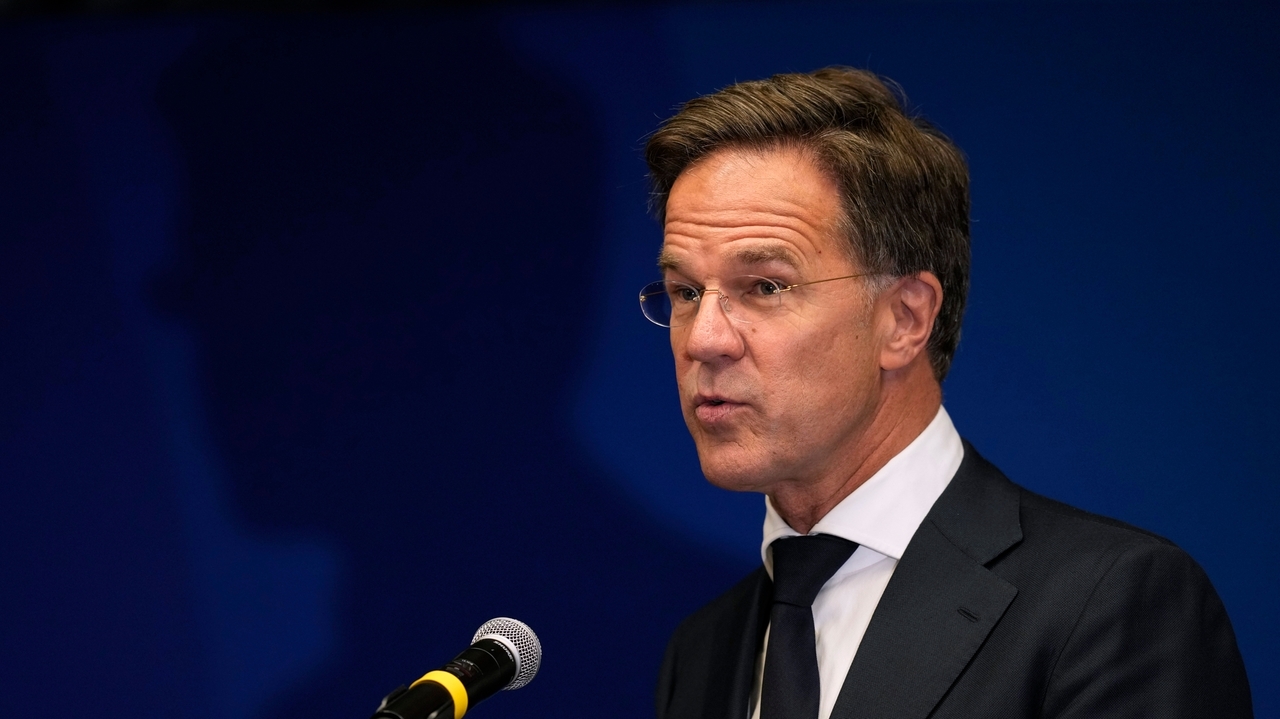
NATO Secretary General Mark Rutte stated on Thursday, September 24, 2026, that the military alliance is fully prepared to counter Russian cyberattacks and hybrid warfare. Speaking in New York during a commemoration of the September 11, 2001 attacks, Rutte urged allies to increase military support for Ukraine.
The declaration arrives amid a mounting wave of European security alerts. Intelligence agencies and political leaders across the continent are warning that Moscow is actively escalating non-conventional hostile acts, ranging from sabotage to digital disruption. While officials emphasize that an outright military invasion of member states remains unlikely, governments are accelerating rearmament efforts to meet what they describe as a long-term threat.
Danish Intelligence Warns of Intensified Sabotage Operations
The Danish Defence Intelligence Service (FE) released a stark risk assessment warning that Russia will intensify its hybrid warfare in the coming months with ‘more frequent attacks’ against the West and NATO, carrying ‘greater consequences for the affected countries’. According to the agency, citizens and governments across the West should anticipate more frequent operations carrying severe consequences for affected nations.
The analysis highlights specific vulnerabilities in modern infrastructure, noting that the expected escalation ‘may include, for example, destructive cyberattacks with severe consequences for critical social functions and sabotage attacks with a high risk of injury’. Danish Defence Minister Jeppe Bruus, a Social Democrat, considers that ‘the situation is serious’ and takes this warning ‘very seriously’.
Danish intelligence thus joins its counterparts in Germany, Finland, Poland and Sweden, which have issued similar warnings in recent weeks, prompting European governments to accelerate rearmament programmes and acquire defence systems better suited to this new form of hybrid warfare. Security monitors note that an Associated Press interactive tracking map demonstrates a sharp upward trend, logging an escalation from 59 in March 2025 to more than 200 at this point.

The FE’s analysis also notes that there is a ‘low, but growing risk that Moscow will launch a limited military strike against one or more NATO countries bordering Russia’. ‘An actual invasion is unlikely, but we cannot rule it out’, stated the head of the FE, Thomas Ahrenkiel, who publicly admitted this possibility for the first time, noting that ‘the objective will not be to take control of the country, but to divide NATO’. It estimates that it will take Russia at least six months to prepare an actual invasion of a member of the Atlantic Alliance, and that so far only provocations have been recorded. Moscow has repeatedly denied any involvement in hybrid warfare, sabotage operations across NATO territory, or any intention of military confrontation.
Mark Rutte Reassures Allies While Urging Greater Support for Ukraine
Addressing reporters and diplomats, NATO Secretary General Mark Rutte maintained that the alliance possesses comprehensive tools to handle hostile interference. When Secretary General Mark Rutte attended the Ambassadors’ Conference at the Federal Foreign Office in Berlin last week, he warned that ‘the military threat is long-term’ and noted that Moscow allocates nearly half of its state budget to the military and the war against Ukraine. He argued that the rising volume of hybrid incidents indicates that Russian President Vladimir Putin is losing the war in Ukraine, now in its fifth year.

All the response options are there, and we will use whatever we need,
Rutte said, speaking at a ceremony in New York marking the anniversary of the Sept. 11, 2001 attacks on the United States.
Rutte linked the current security climate directly to the ongoing conflict in Ukraine. He argued that supplying additional weaponry to Kyiv serves as the most effective deterrent, urging countries to provide more support for Ukraine
if they really want to give a signal to the Russians on every hybrid incident, hybrid attack.
Russia is doing more and more when it comes to the cyber etc. domain, but… NATO is ready for this,
Mark Rutte said, adding, We have all these response options in place… when it comes to hybrids to make sure that we stay strong.
He also said that citizens of the 32 NATO countries can remain calm, stating, Putin is in a bad place. He is not winning the war in Ukraine.
Meanwhile, European countries have been on high alert for any Russian interference, fearing that Moscow could target Kyiv’s Western backers as the Kremlin’s invasion of Ukraine drags on into its fifth year. The Danish Defense Intelligence Service said Thursday that Russia would likely carry out more hybrid attacks against targets in the West, while assessing that an outright invasion by Moscow was highly unlikely
but still possible.
Polish Warning on Feigned Accidents and Border Vulnerabilities
Political leaders on the alliance’s eastern flank have echoed these security concerns. Last week, Poland’s Prime Minister Donald Tusk also warned of “hybrid” threats from Russia — including drone and missile strikes — against Ukraine’s allies.
Poland — a NATO and EU member state along the alliance’s eastern flank — has accused Russia of “sabotage” on several occasions since Moscow’s full-scale invasion of Ukraine in 2022. Hybrid attacks can aim to destabilize a country, test its defenses, strain resources, or influence public opinion — often in a way that makes it hard to identify those responsible, according to findings cited alongside the Danish agency’s warning that Russia has become more willing to take risks.
Ещё по этой теме

