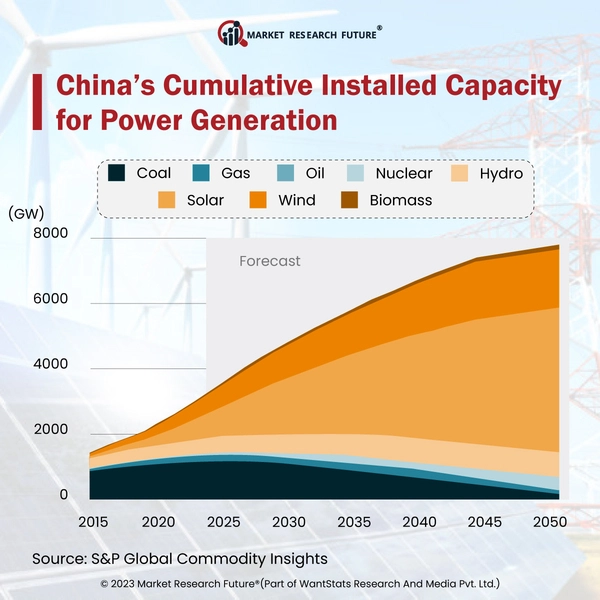
China’s installed renewable energy power generation capacity reached 1.65 billion kilowatts by July, marking a 25 percent year-on-year increase, according to National Energy Administration data. Environment experts note that this rapid green technology expansion is driving down global renewable costs and accelerating clean energy adoption worldwide.
Wind turbines and photovoltaic panels operating in Yancheng, located in East China’s Jiangsu Province, highlight a broader national shift toward reliable green energy production. Official figures released by the National Energy Administration place China’s total installed renewable energy power generation capacity at 1.65 billion kilowatts as of July, reflecting a 25 percent increase compared to the previous year.
Diana Urge-Vorsatz Cites Global Cost Reductions from Chinese Exports
The scale of China’s green manufacturing is reshaping energy markets abroad. Diana Urge-Vorsatz, vice chair of the UN Intergovernmental Panel on Climate Change and a professor at the Central European University in Vienna, pointed to these manufacturing capabilities during the Gaobeidian International Green, Smart and Healthy Buildings Expo.
Urge-Vorsatz noted that China has really brought down the cost curve of renewable energy for other countries in the world.
Official data shows that wind power and photovoltaic products exported by China between 2021 and 2025 helped reduce approximately 4.1 billion tons of carbon emissions across other nations.
This is really helping the global transformation to a healthier and greener planet. Genuinely, China can play a major catalytic role in the green transformation.
Diana Urge-Vorsatz, vice chair of the UN Intergovernmental Panel on Climate Change
International Collaboration at the Gaobeidian Expo
The three-day exhibition in Gaobeidian drew corporate participants from over 50 countries, hosting more than 30 distinct seminars on green and smart buildings. Urge-Vorsatz, attending the city’s green expo for the fourth time, observed steady year-over-year advancements across multiple sectors including high-speed railways, new-energy vehicles, photovoltaic equipment, and green buildings.

Highlighting her home country as a direct beneficiary, Urge-Vorsatz stated that Hungary achieved a sixfold increase in photovoltaic power generation over a five-year span, a expansion she attributed to the revolution catalyzed by Chinese technology.
Long-Term Planning and Technical Expertise
Beyond equipment exports, scholars emphasize the role of systemic planning and artificial intelligence in emissions reduction. Urge-Vorsatz remarked that AI assists in formulating systemic solutions to cut carbon output and manage challenges tied to extreme weather events and conflicts. She also pointed to China’s upcoming 15th Five-Year Plan covering 2026 to 2030 as proof of the country’s strategic advantage in long-term, scientifically guided carbon neutrality pathways.
With comprehensive supply chains, strong technical engineering capacity, and widespread resource availability, the nation remains positioned to accelerate industrial green transitions. Urge-Vorsatz emphasized that achieving true climate results depends on international cooperation, stating that real results will come when nations cooperate, trust each other and work together, just like at this conference.
По теме

