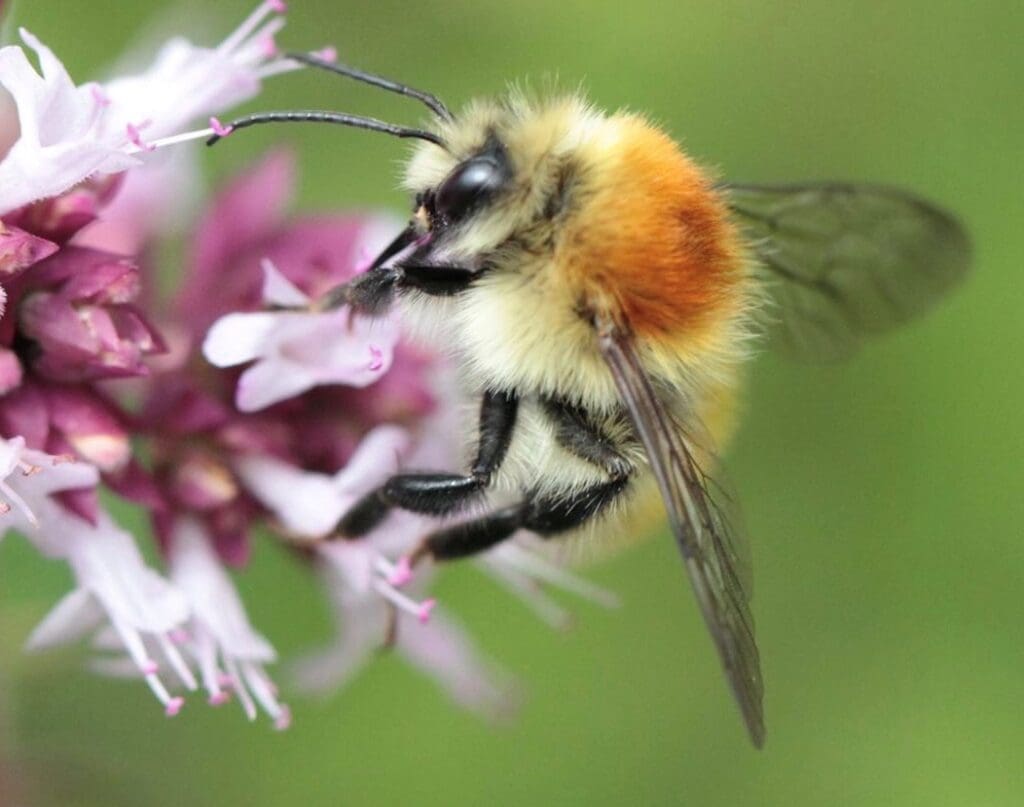
A new £907,000 project led by the Bumblebee Conservation Trust and the University of Cambridge aims to recover the rare Moss carder bumblebee. Backed by Natural England, the three-year scheme focuses on targeted habitat restoration across Cornwall, Kent, and the North Pennines.
Targeted Action for the Moss Carder Bee
A three-year conservation initiative has been launched to protect one of the United Kingdom’s rarest pollinators. Led by the Bumblebee Conservation Trust in partnership with the University of Cambridge, the £907,000 project targets the vulnerable Moss carder bumblebee.
The species is distinguished by a velvety coat of ginger-yellow hairs across its body without any black hairs. According to trust assessments, these bees currently survive in small and isolated populations.
Funding and Regional Focus Across England
Natural England is supporting the initiative with more than £530,000 in funding through its Species Recovery Programme. Tylan Berry, senior officer for species and nature recovery networks at Natural England, noted that the programme focuses on practical measures to halt pollinator decline.
Tylan Berry stated that projects like that demonstrate how targeted investment can support practical conservation action on the ground.

