
Several Federal Reserve officials advocated for a quarter-point interest rate hike at the July meeting, citing persistent inflation pressures, according to meeting minutes released on Wednesday.
Federal Reserve policymakers split sharply over monetary policy during their July session, with several Federal Reserve officials pushing for higher borrowing costs to combat sticky price pressures.
Dissents and Debates Over the July Federal Reserve Vote
Three regional bank presidents dissented from the majority, pressing instead for a 25-basis-point increase.
The dissenting officials included Dallas Fed President Lorie Logan, Cleveland Fed President Beth Hammack, and Minneapolis Fed President Neel Kashkari, who all favored a hike of a quarter of a percentage point. Two additional regional leaders who were not voting members at the meeting—Jeff Schmid from Kansas City and St. Louis Fed President Alberto Musalem—have since stated that they also would have backed a rate increase.
Inflation Pressures and Geopolitical Headwinds
Minutes from the meeting show that many participants viewed the recent escalation of the conflict in the Middle East as having made the inflation outlook significantly more uncertain, increasing concerns regarding energy prices and inflation. Officials who supported raising rates argued that price pressures appeared to be broad-based and that a more restrictive monetary policy stance was needed to uphold Fed’s goals of price stability and full employment.
Some policymakers warned that failure to tighten policy could lead to a steeper and potentially more costly consequence of tightenings later. At the same time, most participants expected that price pressures would subside during the rest of the year as the effects of tariffs and earlier energy price increases faded, though many officials warned that inflation could remain elevated longer than expected. The protocol noted no support for lowering interest rates.
Shifting Economic Data and Market Expectations
The July meeting was the fifth straight meeting where the Fed left rates unchanged, following three cuts at the end of 2025. Economic data published since the July meeting has provided some relief for policymakers concerned about inflation while raising questions about the strength of the US economy. Retail sales fell in July by the most in over year as consumers cut spending at online retailers and car dealerships, while core inflation was subdued during the month, employers unexpectedly made job cuts, and employment figures for the previous two months were revised downward.
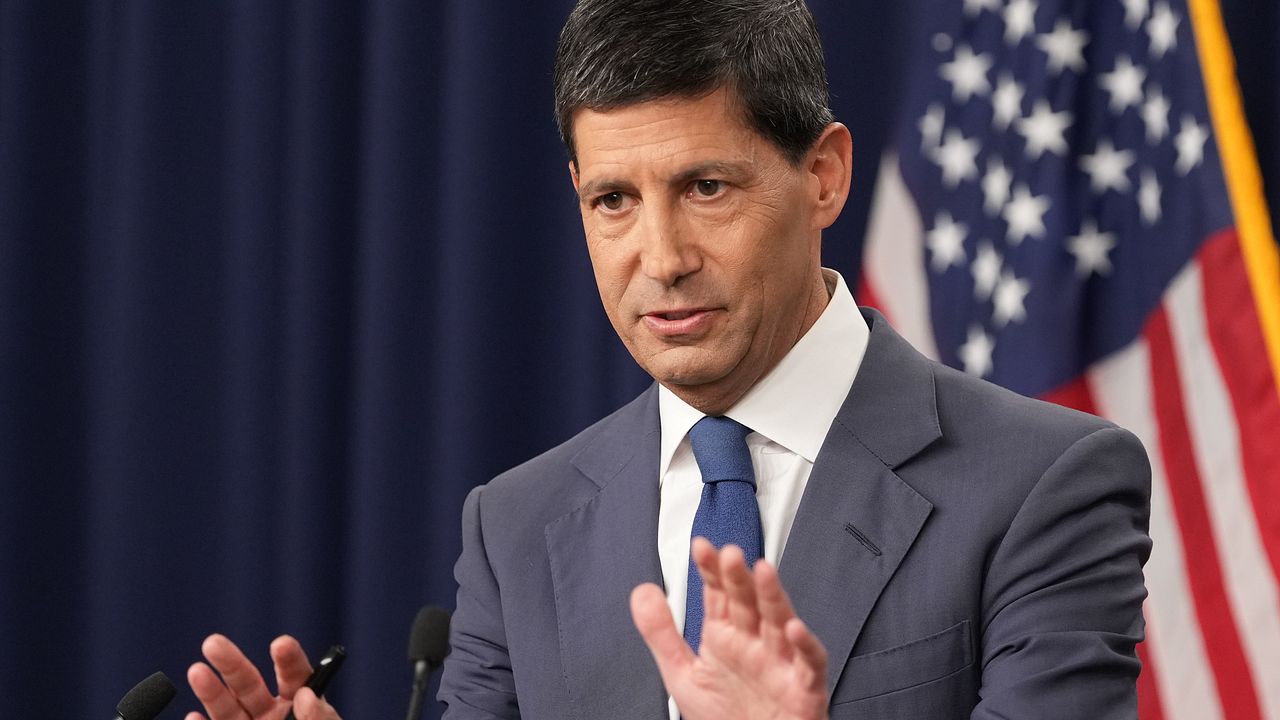
These weaker figures have reduced market expectations for a rate hike in September. Pricing in federal funds futures indicated a 36 % probability for a hike at the September meeting from Wednesday morning, down from more than 70 % in late July. Investors currently expect the Fed to hold rates steady at its meeting on September 15–16, though investors are pricing in the possibility of a hike already at the October 27–28 meeting.
Proposed Meeting Schedule Changes and Balance Sheet Review
The protocol also highlighted broader changes being considered by Fed Chair Kevin Warsh. Warsh asked policymakers for their views on reducing the number of scheduled monetary policy meetings from eight to six per year. The protocol indicated that six meetings, held approximately every other month—roughly every two months—would allow more economic data to be collected between decisions and give policymakers more time to consider strategic issues, though no decision was made and the 2026 meeting schedule will not change.
Fed officials also discussed an upcoming review of the central bank’s balance sheet. While the review could lead to a broader discussion on how the Fed manages its assets, many policymakers reiterated that changes to the federal funds rate should remain the primary tool for adjusting monetary policy. The protocol was published ahead of Fed’s annual gathering in Jackson Hole, where Warsh is expected to deliver his first speech since becoming chairman in May, with his statements potentially giving investors additional clues about the central bank’s view on inflation and rates.
По теме

