Immediate in-hospital administration of the PCSK9 inhibitor evolocumab following a heart attack significantly improves low-density lipoprotein cholesterol goal attainment at one year, but fails to reduce early all-cause death or unplanned cardiovascular hospitalizations, according to findings presented at the ESC Congress 2026 and published in JAMA.
Patients who experience a myocardial infarction face a severe risk of recurrent cardiovascular events, particularly during the first twelve months following the initial episode. While established European guidelines strongly advocate for intensive lowering of low-density lipoprotein cholesterol levels in post-MI patients, real-world clinical practice frequently lags behind these recommendations. Professor Gilles Montalescot of the ACTION Study Group at Hôpital Pitié-Salpêtrière, Sorbonne University in Paris, noted that only around one-third of patients achieve LDL-C targets after an acute MI
under conventional management strategies.
The AMUNDSEN Trial Design and Patient Population
To evaluate whether earlier intervention could accelerate target attainment and improve early clinical outcomes, researchers launched the AMUNDSEN trial. The investigation operated as an open-label, blinded-endpoint study across 48 clinical centres situated in six distinct countries. Eligible participants included individuals presenting with an ST-elevation myocardial infarction who underwent primary percutaneous coronary intervention, as well as patients with non–ST-elevation myocardial infarction carrying an indication for PCI alongside at least one high-risk clinical characteristic.
A total of 2,161 patients were randomized to receive immediate evolocumab prior to their percutaneous coronary intervention alongside standard care, or to receive standard care alone. Control participants were managed according to therapeutic options available within their respective countries, which incorporated PCSK9 inhibitor utilization aligned with 2019 European Society of Cardiology guidelines. The average participant age across the cohort was 67 years, with women comprising 21% of the study population.
Cholesterol Target Attainment and Treatment Timelines
The biological objective of the trial required achieving a minimum 50% reduction in low-density lipoprotein cholesterol from baseline alongside a target level below 55 mg/dL at the 12-month mark. The trial tracked patients through structured clinic visits at six weeks, six months, nine months, and 12 months.
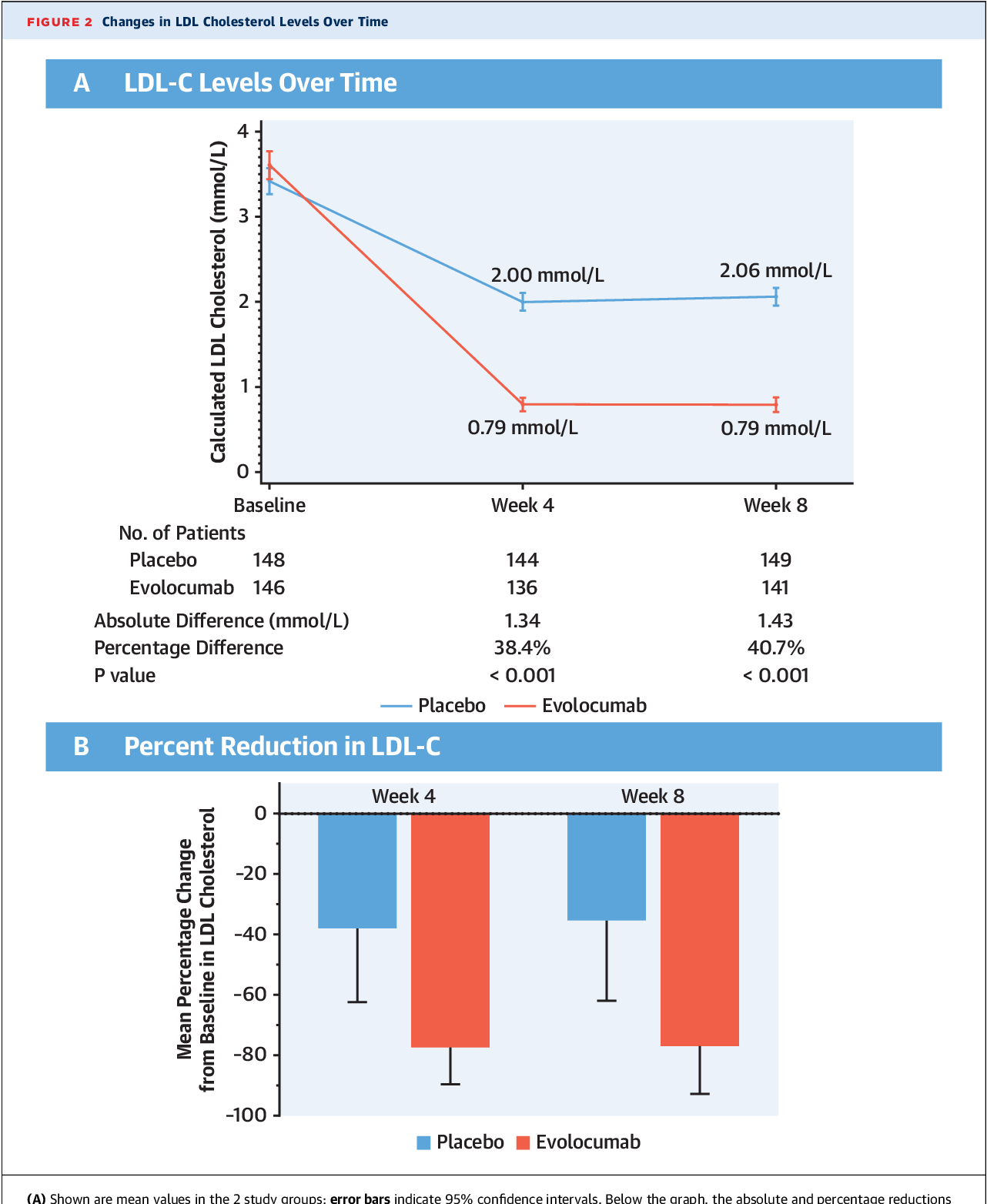
The trial demonstrated a dramatic divergence in lipid management success between the two arms. Among participants assigned to immediate evolocumab, 82% met the primary cholesterol target at one year. By contrast, only 40% of patients managed with standard care achieved the same biological threshold.
“Even with five study visits and guidance to adjust lipid-lowering therapy according to ESC recommendations, attainment of LDL-C goals was low and slow in the standard-care group.”
Professor Gilles Montalescot, ACTION Study Group, Sorbonne University
Furthermore, the velocity of target achievement differed markedly. Patients in the evolocumab group reached their target cholesterol levels in nine weeks, whereas standard-care participants required 19 weeks to attain the same goals.
Clinical Outcomes and Early Cardiovascular Events
Despite the substantial biological improvements in lipid profiles, the primary clinical endpoint revealed no statistically significant difference in survival or hospitalization rates between the groups at 12 months. The composite endpoint of all-cause death or unplanned cardiovascular hospitalization occurred in 14.6% of patients in the evolocumab arm and 15.4% of patients in the standard-care group under the primary intent-to-treat analysis.

In a pre-specified per-protocol analysis, researchers observed event rates of 10.2% for the evolocumab group compared with 14.3% for standard care. Professor Montalescot explained that the absence of a clear early cardiovascular benefit in the primary intention-to-treat evaluation indicates that evolocumab may not exert immediate clinically meaningful pleiotropic effects, suggesting that the clinical benefits of aggressive lipid lowering require an extended timeframe to manifest.
Investigators also noted that even with acute in-hospital initiation, one in five patients treated with evolocumab still failed to reach their designated cholesterol target by the conclusion of the one-year follow-up period, underscoring the ongoing challenge of achieving optimal secondary prevention in high-risk cardiac populations.
По теме

