
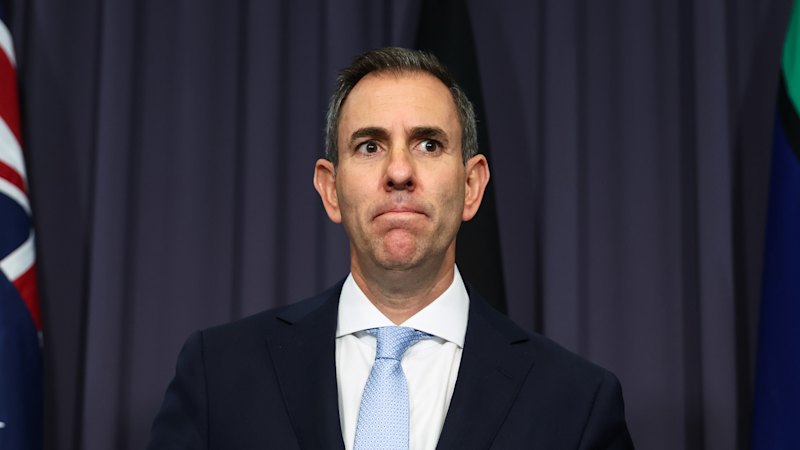
Treasurer Jim Chalmers blamed global conflicts for inflation as Australia’s central bank prepares to raise interest rates to a 15-year high, citing a $6 billion budget deficit improvement and near-record tax receipts amid political disputes over economic management.
The Australian Treasury reported a $6 billion improvement in the budget deficit, with Treasurer Jim Chalmers attributing the fiscal progress to higher tax receipts and revenue from the AI boom, while framing inflation as a global issue rather than a domestic policy failure.
Budget Figures Highlight Tax Take
The increase in tax revenue came from higher-than-expected returns on superannuation and investments, rather than wage earners or mining income, which fell short of projections. Finance Minister Katy Gallagher attributed the savings to reduced spending on aged care, childcare, and pharmaceutical benefits, while the Centre for Policy Development urged a temporary rise in superannuation contributions to cool demand without disproportionately burdening mortgage holders.
RBA Rate Hike Sparks Political Debate
Prime Minister Anthony Albanese echoed Chalmers’ position, acknowledging global inflation as a key factor but admitting some households were doing it tough.
Bond futures indicated markets expect the move, with the central bank’s next meeting on Tuesday.
Economic Pressures and Future Outlook
Economists noted that while the government highlighted fiscal improvements, underlying challenges remained. Chris Richardson, a veteran budget analyst, argued that years of elevated public spending had worsened inflation, exacerbated by the war in Ukraine and low unemployment driven by the RBA’s cautious approach. We’ve papered over it with a revenue rainbow,
he said, warning that prolonged high rates would strain households and taxpayers.
The RBA’s policy shift has already sparked difficult months
for mortgage holders, with the treasurer acknowledging the pain but emphasizing global factors. The central bank’s next move will be closely watched, as financial markets brace for further rate hikes. Meanwhile, the debate over who bears responsibility for inflation—international conflicts, government spending, or central bank policies—shows no signs of resolution.
Продолжение темы

