
Following the collapse of trade negotiations in Washington, the United States imposed 50% tariffs on $20 billion worth of Canadian goods on Saturday, August 22, 2026. Prime Minister Mark Carney accused Washington of weaponizing economic integration, while Ottawa announced retaliatory duties set to begin September 8.
Washington Imposes 50% Tariffs After Trade Talks Collapse
The United States and Canada fell deeper into a trade war Saturday, marked by sharp recriminations and new import taxes expected to raise prices for consumers in both countries. Each side blamed the other for the sudden breakdown of negotiations in Washington late Friday, which led the administration of President Donald Trump to slap a 50% levy on about $20 billion worth of Canadian goods.
The new U.S. duties impact roughly 5% of what Canada ships south each year, touching everyday items ranging from hockey sticks to tongue depressors. To the U.S. trade team, the aggressive measures were a necessary defense. The U.S. trade representative, Jamieson Greer, defended the action on Fox & Friends Weekend
by stating that the administration was compelled to act after a year of Canadian retaliation.
Jamieson Greer, U.S. Trade Representative, stated via AP News that they had said enough and had therefore taken countermeasures, adding that their interest was in protecting American workers and protecting American supply chains.
Ottawa Prepares Dollar-for-Dollar Retaliation as Trust Fractures
Speaking from Parliament Hill in Ottawa on Saturday, Prime Minister Mark Carney declared that Canada and the U.S. would not return to their old relationship, acknowledging that America has fundamentally changed. Canada scheduled Sept. 8 as the start date for its retaliatory penalties, promising a dollar-for-dollar response across vulnerable industrial sectors.
Ottawa’s countermeasures will specifically target steel products, dairy, appliances, agricultural equipment, pulp and paper, and electronics. Carney did not mince words regarding the breakdown of the historic, undefended border alliance, invoking the language of a military conflict.
Prime Minister Mark Carney stated via AP News that you are at war when you get attacked.
Carney accused Washington of using economic integration as a weapon
and remarked that its signature was written in pencil. He foreshadowed the current rupture by pointing to his warning at the World Economic Forum in Davos in January, where he urged nations to reduce their vulnerability to economic coercion.
Diverging Demands Drove the Compromise to Collapse
The negotiations collapsed over mutually unpalatable final terms. Carney stated that Canada had been willing to drop its remaining retaliatory tariffs on steel, aluminum, and autos if Washington substantially lowered its own import taxes and encouraged provinces to restore U.S. alcohol sales. However, he maintained that Washington’s final demands went too far.
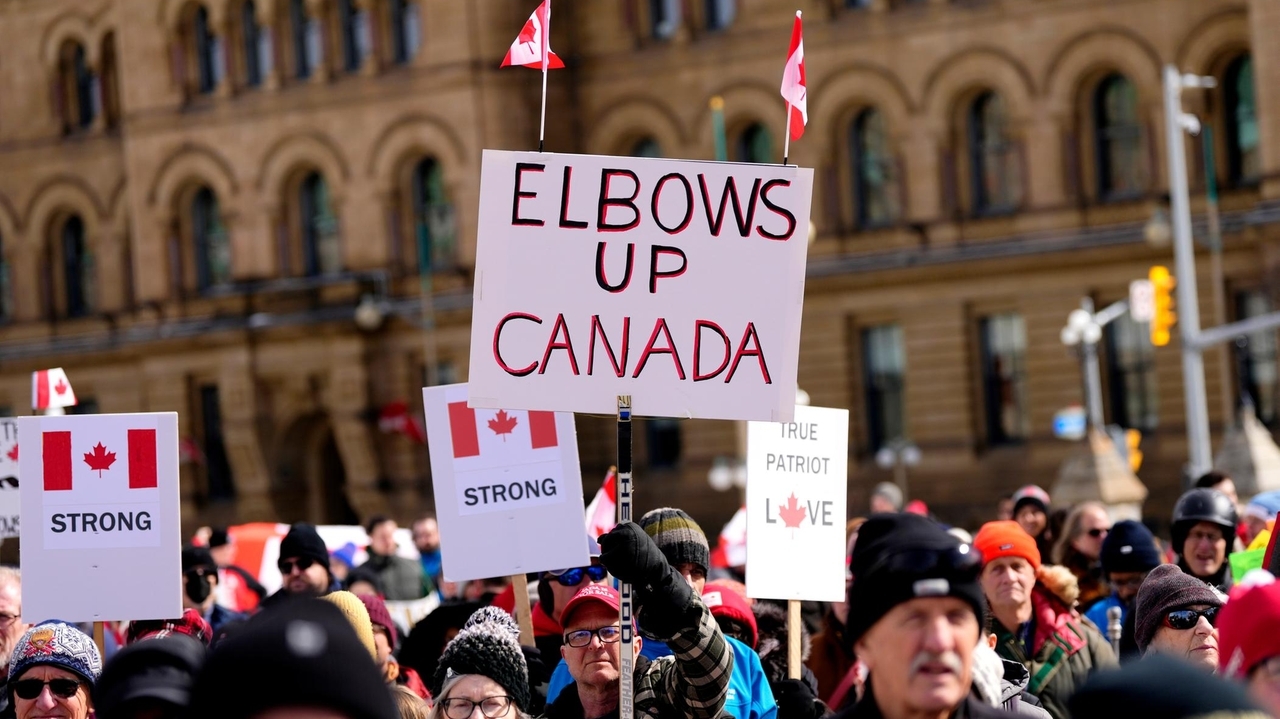
Prime Minister Mark Carney stated via AP News that they asked too much and offered too little.
Greer countered that the U.S. administration offered meaningful concessions by proposing to cut tariffs on steel, autos, and lumber—things that are sensitive for them. According to Greer, Canadian negotiators rejected an arrangement that would have preserved an exceptionally favorable trade position.
Jamieson Greer, U.S. Trade Representative, stated via AP News that they had always had the best deal and would still have had an even better deal, but they did not want that.
Ottawa balked at last-minute U.S. terms that would have curtailed tariff relief for Canadian-made vehicles, limited Canada’s freedom to strike independent trade deals globally, and weakened domestic protections for language, culture, and sovereignty.
Provincial Backing and Broad Economic Fallout Across North America
The collapse of talks drew swift alignment from provincial leaders across Canada’s political spectrum. Ontario Premier Doug Ford praised Carney for rejecting the deal, noting it would have devastated Ontario’s auto, steel, and manufacturing sectors. Saskatchewan Premier Scott Moe added that the old status quo is not possible, while former Alberta Premier Jason Kenney commended Ottawa for refusing to surrender to ongoing economic pressure.
Labour leaders also rallied around the federal posture. Lana Payne, national president of Unifor, Canada’s largest private-sector union, accused the U.S. administration of making a consistent attempt to try and destroy the industrial economy of Canada.
Economists warn that the fallout extends beyond immediate tariff costs. Royal Bank of Canada analysts estimate that the initial duties directly impact about 0.4% of Canada’s GDP, affecting roughly 5% of its exports. Meanwhile, travel data illustrates the human cost of the souring relations: Statistics Canada reported that Canadian return trips from the U.S. in July were down nearly 29% by car and 27% by air compared with July 2024.
Продолжение темы

