Researchers have identified an ancient fossilised capybara tooth dating back nearly nine million years in Chile’s Atacama Desert.
Nine-Million-Year-Old Capybara Fossil Rewrites Atacama History
Scientists working in northern Chile’s Atacama Desert have uncovered a fossilised capybara tooth dating back almost nine million years, providing the oldest record of capybaras on the Chilean coast. Published in Scientific Reports, the finding challenges the traditional geological assumption that the region has remained continuously dry for roughly 40 million years. Instead, the specimen points to a much more dynamic environmental history featuring major shifts in climate and ecosystems over millions of years.
Capybaras stand as the world’s largest living rodents and depend heavily on freshwater habitats, surface water, and wetland vegetation. Discovering their remains in one of the driest places on Earth immediately raised questions for researchers investigating how the semi-aquatic herbivores reached coastal Chile, particularly given that the Andes mountains already served as a major geographical and climatic barrier when the animals lived.
Rather than crossing the high, arid Andes range, the study indicates that capybaras likely dispersed along lower-elevation paths across the northern edge of South America. Researchers suggest the animals may have moved from areas corresponding to modern Venezuela and Colombia through Ecuador and Peru before eventually reaching northern Chile.
Fossils Reveal Prehistoric Wetlands and Palms in Northern Chile
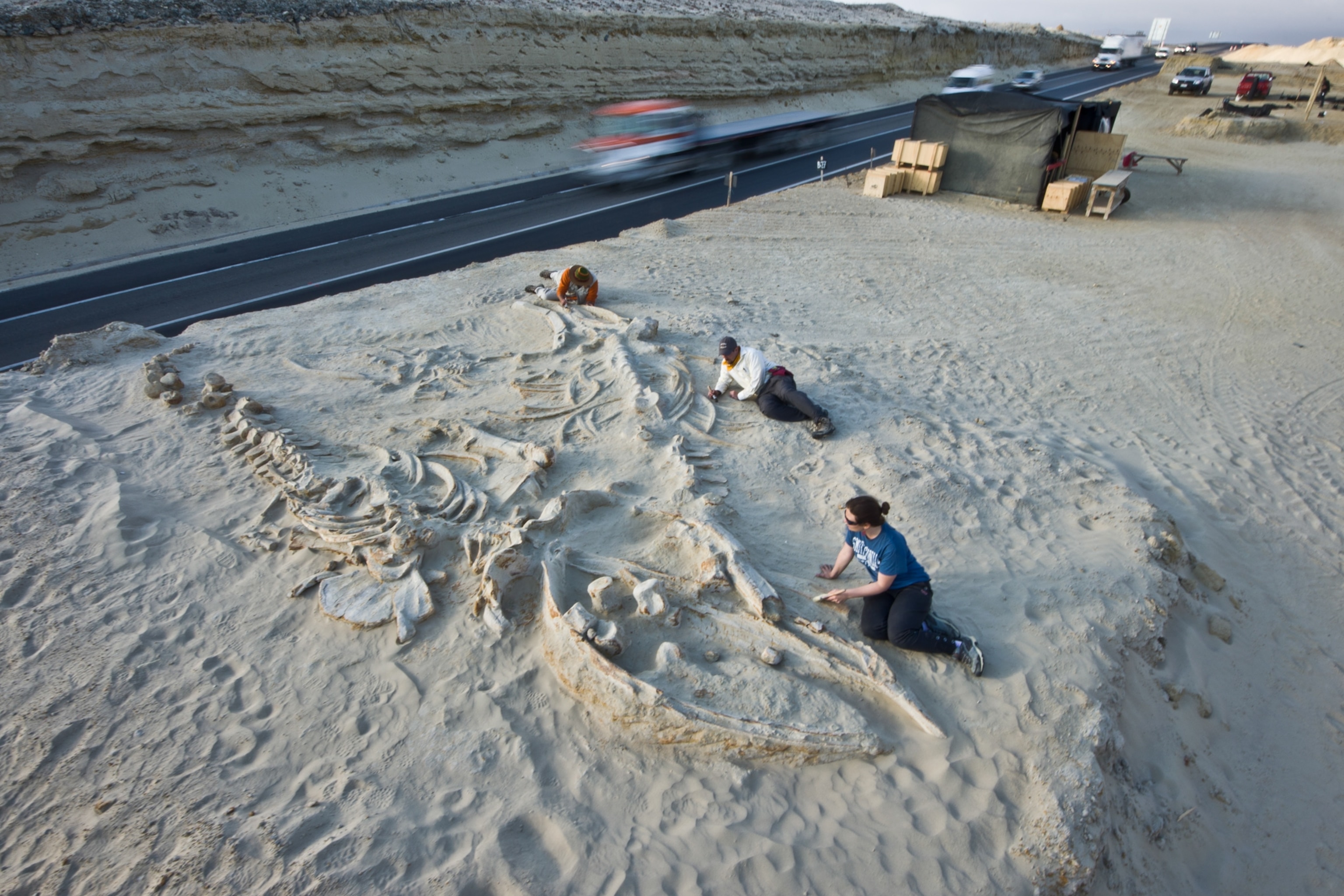
The capybara tooth was recovered at El Morro, a fossil-rich site located within the Bahía Inglesa Formation. Sediments at the location accumulated in a shallow marine environment between seven and ten million years ago during the late Miocene. The same geological formation also encompasses Cerro Ballena, an area known for its exceptionally rich concentration of whale fossils.
Additional animal and plant fossils discovered in the surrounding deposits paint a vivid picture of a dramatically different ancient climate. Excavators found remains of freshwater fish and gavials, a group of crocodilians tied specifically to freshwater habitats. Microscopic silica structures known as phytoliths, preserved within ancient plant tissues, further indicate that the prehistoric landscape supported palms and other flowering dicotyledonous plants.
Researchers noted that while it remains unclear whether palms bloomed extensively across the area, their verified presence demonstrates that temperate-climate plants once covered the now-arid Chilean coast. Understanding these past climate shifts helps scientists model how arid ecosystems respond to environmental pressures over long periods.
Recent Winter Snowstorms and Desert Wildflowers Transform Modern Landscapes
While paleontologists look millions of years into the past, modern weather events continue to highlight the Atacama’s surprising climatic variability. In August, winter storms swept across northern Chile, delivering rare and widespread snowfall from the Andes all the way near the Pacific coast. A winter storm system drove a dramatic shift between early August observations, while a subsequent weather system on August 19, 2026, captured by the MODIS instrument on NASA’s Terra satellite, blanketed an even wider area in fresh snow.

Although snow has occurred in the region previously—notably in 2025 and 2011—meteorologists noted that the immense geographic extent of the August storms made the event unusually widespread. This influx of seasonal moisture acts as a catalyst for environmental changes, triggering massive wildflower blooms across parts of the desert.
By late August, portions of the notoriously dry landscape burst into colour, carpeted by purple and white blossoms near Copiapó. Beyond its shifting prehistoric ecosystems and occasional winter transformations, the Atacama remains renowned for its high altitude, extreme dryness, and lack of light pollution, cementing its status as a premier spot for sky-watching and stargazing.
Читайте также