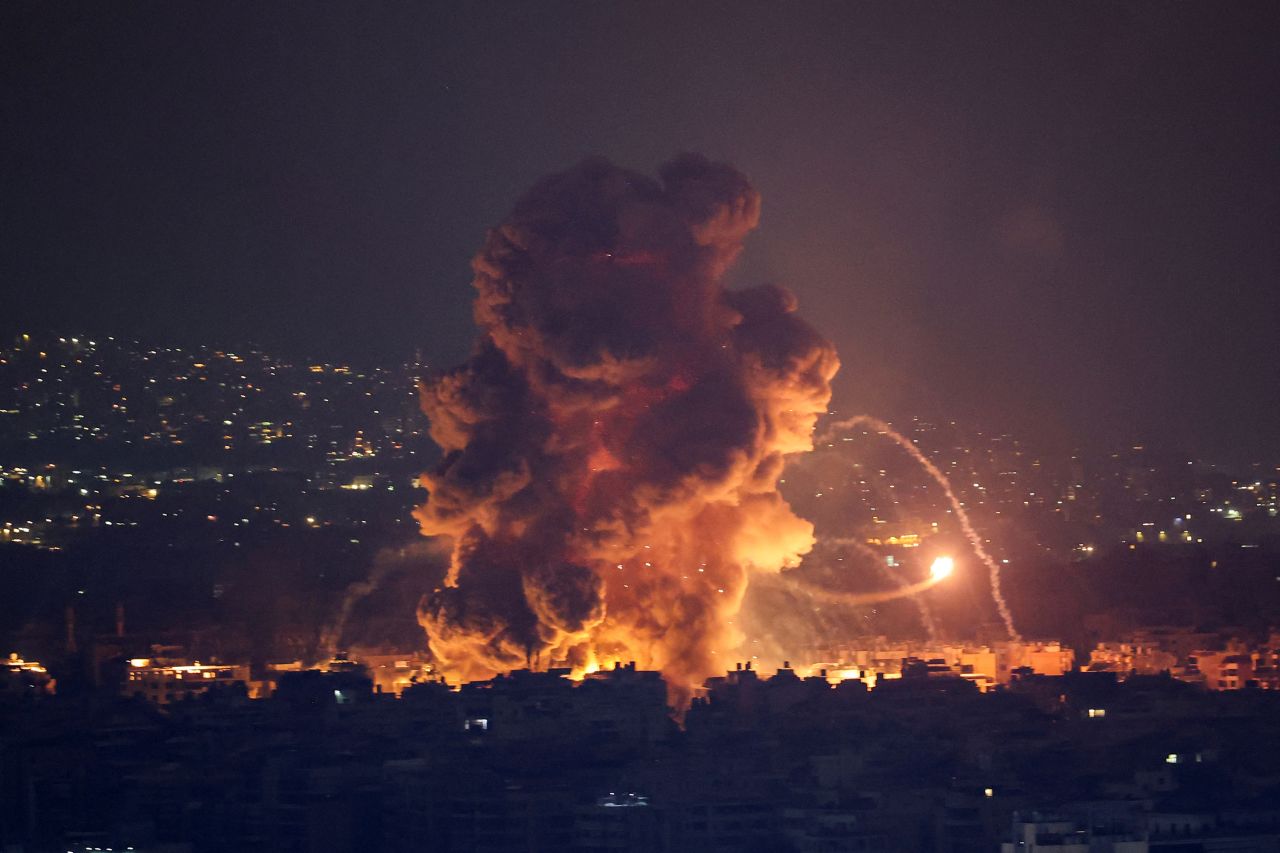
Israel claimed operational control on Thursday over the strategic Ali al-Taher ridge in southern Lebanon after an extended military operation against Hezbollah. The contested highland, situated 15 kilometers from the border near Nabatiyeh, remains a key flashpoint despite a June ceasefire as diplomatic talks continue.
Fighting around the key southern Lebanese highland has continued to test a fragile regional ceasefire. Israeli forces have established operational control over the strategically vital Ali al-Taher ridge following a prolonged military campaign targeting the armed group Hezbollah, as AP News reported.
Military Claims and Tunnels Beneath the Ali al-Taher Ridge
Defence Minister Israel Katz announced on Friday that Israeli troops had driven Hezbollah fighters out of a subterranean network running beneath the highland, which rises 600 meters above sea level. The Al Jazeera reporting noted that the military stated the hill housed underground command centers, weapons storage rooms, generators, living quarters, showers, and a kitchen. Nasser Khdour, a Middle East researcher at the Armed Conflict Location & Event Data Project, noted that military operations around the ridge had been ongoing since July.
“Prime Minister Netanyahu and I are leading a clear and uncompromising policy, reinforced every day by the [Israeli military]: Israel will not withdraw from the security zone in Lebanon until Hezbollah is disarmed throughout Lebanon and the threats to the residents of the Galilee are removed.”
Defence Minister Israel Katz, via Al Jazeera
However, Hezbollah legislator Ihab Hamadeh questioned the reality of the military’s claims, asking why the air force was still attacking the hill if ground forces genuinely held it, according to the Arabic-language service of Russia’s state-funded news outlet Sputnik cited by AP News. An Associated Press photographer visiting the nearby village of Kfar Rumman on Friday saw no visible Israeli military presence on the ridge itself.
Disputed Strategic Value and Ceasefire Pressures
The ridge overlooks several villages and main thoroughfares leading to the southern city of Nabatiyeh. While Israel previously occupied the site for 18 years before withdrawing in 2000, losing full command of the high ground disrupts local supply routes. Yet, Hezbollah figures have publicly downplayed the loss.
“Ali al-Taher is important, but if it is lost it does not mean the end of Hezbollah.”
Mahmoud Qamati, Hezbollah official, via AP News
In late August, Mahmoud Qamati told a Lebanese podcaster that group fighters were actively repelling attempts by troops to take the highland. Security analysts offer differing views on the tactical significance of the offensive. Ahron Bregman, an Israeli security analyst and senior teaching fellow at King’s College London, told Al Jazeera that operational control of the ridge provides a clear strategic gain and serves as leverage against the central government in Beirut.
“From an Israeli perspective, it is a way to put pressure on the Lebanese government: Tackle Hezbollah head-on, or we stay here.”
Ahron Bregman, Israeli security analyst and senior teaching fellow at King’s College London, via Al Jazeera
Political Standoff Over Lebanese Army Deployment
United States mediators had pushed for Hezbollah to surrender the hill to the Lebanese army as part of a wider disarmament framework. Hezbollah rejected the proposal, fearing that Israel would subsequently seize the territory from the national army and demand further concessions. Lebanon’s Deputy Prime Minister Tarek Mitri stated in late August that the national army was fully prepared to take over the site, but accused Israel of obstructing the handover due to domestic political considerations ahead of Israeli national elections scheduled for October 27.

“The problem is not in the Lebanese army’s readiness but in Israel’s stance.”
Tarek Mitri, Lebanon’s Deputy Prime Minister, via AP News
Meanwhile, Nicholas Blanford, a non-resident senior fellow at the Atlantic Council, observed that Hezbollah’s silence following the military’s announcement leaves key questions unanswered regarding potential backroom agreements or the true extent of the infrastructure held.
“It could be that a deal’s been done. It could be that Israel is exaggerating what it means by ‘operational control’.”
Nicholas Blanford, non-resident senior fellow at the Atlantic Council, via Al Jazeera
Lebanese and Israeli officials are scheduled to meet for further diplomatic negotiations in Rome later this month.
По теме

