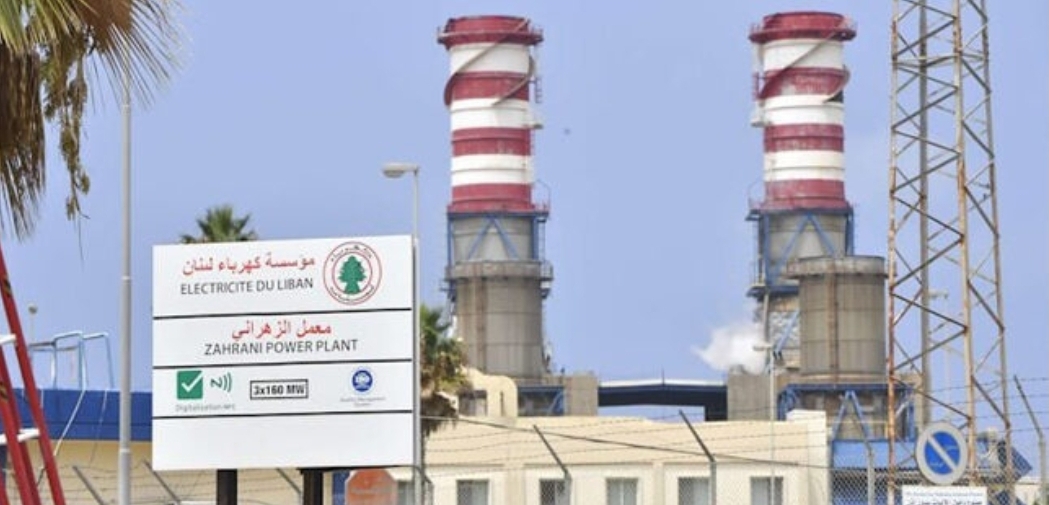
An integrated Algerian phosphate project aims to produce 2.4 million tons of phosphate fertilizers annually, according to official data and reports. While regional analysts suggest the development could challenge Morocco’s OCP Group, current production figures show the Moroccan group operating at a scale over six times larger.
A newly planned integrated phosphate complex in Algeria has drawn regional attention regarding its potential impact on the North African fertilizer market. According to an economic analysis cited by the media outlet TSA and reported by Bladi, the project is framed as an effort to faire mal
to the Moroccan economy. However, official data released by Sonatrach outlines a specific industrial scope for the facility’s first phase rather than an immediate market overthrow.
Sonatrach Production Targets and Bled El Hadba Timeline
Data published by Sonatrach indicates that the initial phase of the Bled El Hadba project is designed to extract 5.5 million tons of raw phosphate annually. From that extraction, the facility aims to produce 3.2 million tons of concentrated phosphate and manufacture 2.4 million tons of phosphate fertilizers. The industrial design also includes a urea unit with a capacity of 570,000 tons, according to the same data.
An official communiqué relayed by the APS agency sets March 2027 as the targeted start date for phosphate exports from Bled El Hadba. That milestone follows a previous attempt launched in 2018, which originally estimated a six-billion-dollar investment and a 2022 service date that was ultimately missed.
Capacity Comparison Between Sonatrach and OCP Group
When evaluating the competitive landscape, industry observers look at finished fertilizer capacity rather than raw rock extraction volume. OCP currently reports a production capacity of 15 million tons of plant nutrition solutions. Under a 130-billion-dirham investment program, the Moroccan group plans to expand that figure to 20 million tons by 2027.
At maximum capacity, the first phase of the Algerian project remains more than six times smaller than OCP’s current output and more than eight times smaller than OCP’s 2027 target. While the entry of Algerian production may heighten competition across African and Mediterranean markets, current industry advantages—including established transformation platforms, an international commercial network, and ongoing domestic capacity expansion—secure OCP’s industrial position.
Saipem Contract Status and Cadmium Standards
Industrial execution details also show that the project remains in preliminary stages. Sonatrach describes its agreement with Saipem as an engineering, procurement, and construction (EPC) contract for transformation and production installations. However, a company communiqué issued by Saipem on August 12 clarifies that it signed only a limited notice to proceed valued at approximately 500 million euros.
The limited authorization covers detailed engineering, long-lead equipment orders, and preliminary mobilization. Saipem expressly noted that negotiations to finalize the full EPC contract remain ongoing.
Parallel discussions surround product quality standards, particularly regarding cadmium content in regional fertilizers. OCP states that fertilizer shipments sent to the European Union have remained below the threshold of 20 milligrams per kilogram since 2025, sitting well beneath the European regulatory limit of 60 milligrams per kilogram. European authorities have acknowledged that they lack a systematic control mechanism to independently verify all incoming volumes.
По теме

