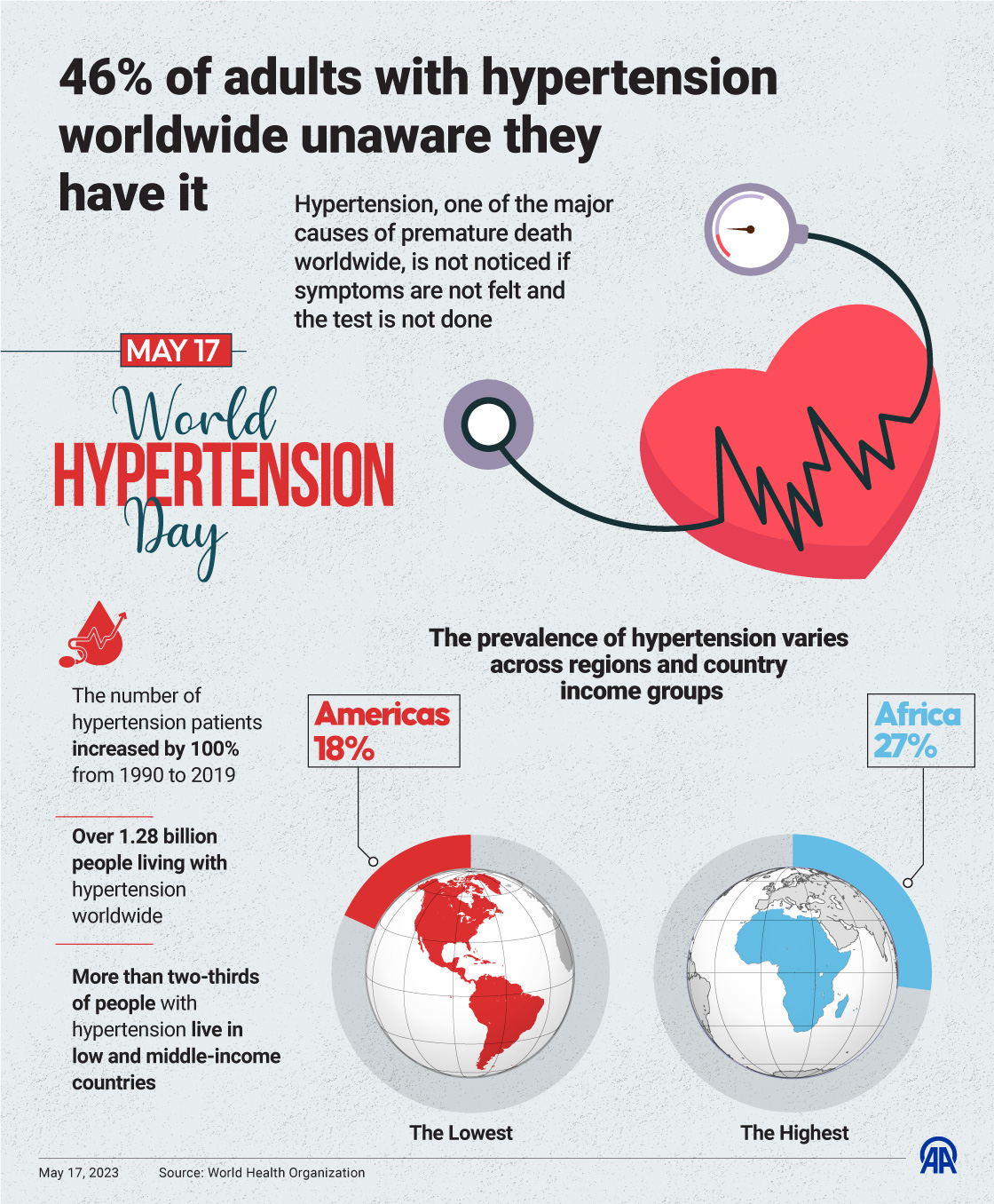
More than one-third of adults in England live with high blood pressure, and roughly two-thirds of those individuals remain entirely unaware of their condition, according to a large-scale study of 1.4 million adults published in BMJ Public Health.
Hypertension is widely known as a silent killer, but public health data reveals the current system for detecting and managing the condition is falling short. A massive population study led by Oxford University researchers analyzed clinic blood pressure measurements from 1.4 million adults enrolled in the health research program Our Future Health between 2022 and 2025. The results expose deep gaps in routine screening, diagnosis, and ongoing treatment.
Scale of Undetected Hypertension Across Demographics
The study found that 37 percent of participants met World Health Organization criteria for hypertension, defined as systolic readings of 140 mmHg or greater, diastolic readings of 90 mmHg or greater, or active use of blood pressure medication. Out of all participants identified with high blood pressure, 59 percent were completely undiagnosed and taking no medication.
Age plays a massive role in prevalence, ranging from one-sixth of adults aged 18 to 39 up to 71 percent for those aged 80 and older. Yet researchers noted that younger demographics are far from immune. Over 15 percent of younger adults already showed high blood pressure readings, despite falling outside the eligibility window for routine checks like the NHS Health Check. Men also faced higher rates than women, with an age-standardized prevalence of 42 percent compared to 29 percent.
“While hypertension is largely a “silent killer”, the current approach to detecting and treating high blood pressure is not fit for purpose. This isn’t a problem confined to a particular group; it’s substantial across almost every demographic we examined.”
Wenyu Liu, Medical Statistician at Oxford Population Health and first author of the study
Treatment Gaps and Clinical Guidelines Under Scrutiny
Diagnosis is only the first hurdle. Among patients actively prescribed one or more blood pressure medications by a doctor, half still recorded elevated levels of 140/90 mmHg or higher. The existing framework demands multiple confirmatory readings before making a diagnosis and pushes lifestyle advice ahead of prompt drug intervention.
Medical experts warn that these procedural delays mean thousands of vulnerable patients miss out on timely interventions for a condition that drives roughly half of all heart attacks and strokes in the UK. Professor Bryan Williams, Chief Scientific and Medical Officer at the British Heart Foundation, pointed to the ongoing difficulty of keeping numbers stable even for those already receiving care.
“This study paints a concerning picture of the scale of undetected high blood pressure in the UK, and the challenges of keeping blood pressure under control in those already receiving treatment.”
Professor Bryan Williams, Chief Scientific and Medical Officer at the British Heart Foundation
Calls for a Proactive Shift in General Practice
Frontline clinicians say the study mirrors the daily reality inside general practice clinics. Iain Turnbull, a Deputy Chief Medical Officer at Our Future Health, Clinical Research Fellow at Oxford Population Health, and GP, noted that many patients slip through the cracks or receive sub-optimal treatment regimens.
Study authors and health advocates are urging a fundamental redesign of how healthcare systems identify and manage cardiovascular risks. Rather than waiting for patients to present symptoms or meet strict age thresholds, experts argue for population-wide prevention initiatives paired with risk-based treatment models that factor in overall cardiovascular danger alongside raw blood pressure numbers.
Читайте также