Australia’s central bank raised its benchmark interest rate to 4.6 percent on September 29, 2026, marking a 15-year high. Reserve Bank of Australia Governor Michele Bullock cited stubborn inflation driven by domestic capacity pressures and global energy shocks resulting from the Middle East conflict.
The Reserve Bank of Australia lifted the benchmark rate by 0.25 percent during its Tuesday policy meeting, pushing the cash rate to its highest level since 2011. The unanimous decision followed two meetings where rates were kept on hold, bringing total increases for the year to 100 basis points across four separate hikes.
While central banks typically tighten monetary policy when an economy runs hot, Australia’s latest move arrives amid sluggish per-person growth, falling house prices, and an unemployment rate hovering near a five-year high. Economic growth slowed to 2.1 percent in the second quarter, down from 2.5 percent in the opening three months of the year.
Global Energy Shocks and Domestic Inflation Pressures
Policymakers pointed to international disruptions as a primary driver behind the persistent price increases. RBA officials noted that global energy prices are now much higher than previously assumed, exacerbated by the ongoing conflict involving the United States, Israel, and Iran. In addition to energy markets, rapid demand for artificial intelligence is driving up technology-related goods costs.
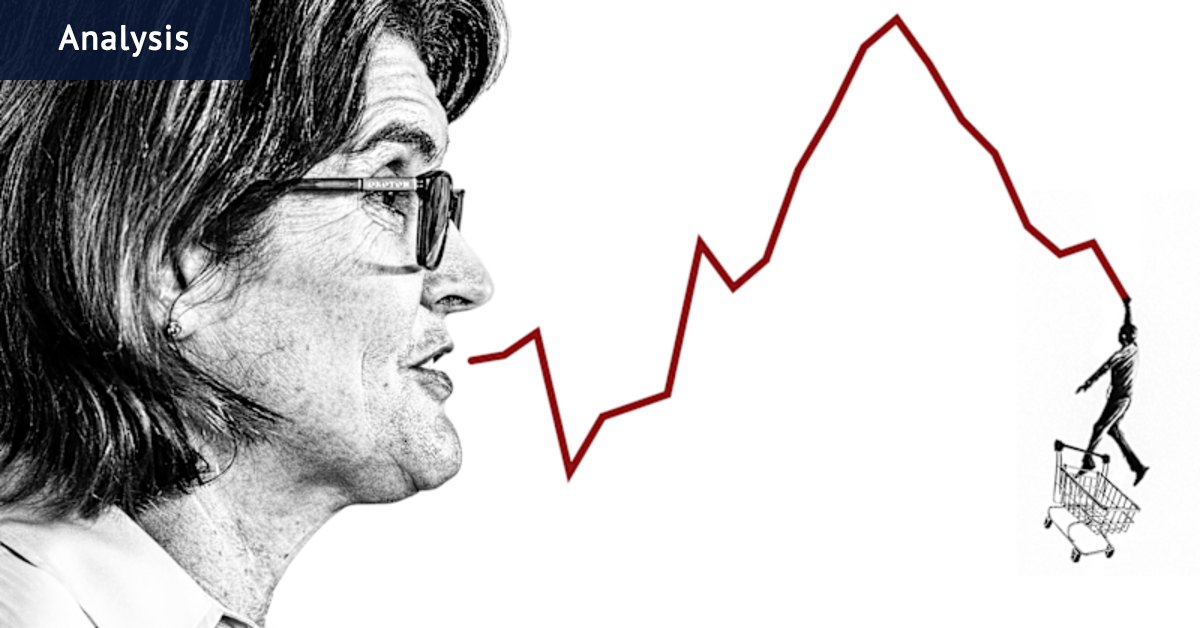
Australia’s annual inflation rate reached 3.5 percent in July, remaining well above the central bank’s targeted 2 to 3 percent band. A research note from Bank of America highlighted that core inflation is accelerating rather than converging downward, noting that July’s consumer price figures provided clear evidence of entrenched price pressures supported by second-round energy costs.
Governor Bullock Defends the Tightening Cycle
During her post-meeting press conference, RBA Governor Michele Bullock acknowledged the heavy burden placed on consumers and businesses while defending the necessity of the decision. She noted that high inflation hurts all Australians, particularly the most vulnerable members of the public.
Bullock stated that while the board actively discussed the possibility of pausing rates, policymakers ultimately decided that further tightening was required to bring inflation back to target within a reasonable timeframe. She added that recession is not our central case, expressing hope that a gradual adjustment in financial conditions will cool excess demand without triggering widespread job losses.
Household Stress and Government Response
The 15-year high benchmark rate translates directly into increased borrowing costs for millions of Australian mortgage holders who are already dealing with three earlier rate hikes this year. Research published earlier in the month by Roy Morgan indicated that nearly one-third of Australian mortgage holders—representing roughly 1.8 million people—were experiencing mortgage stress by dedicating between 25 and 45 percent of their after-tax income to loan repayments.

Federal Treasurer Jim Chalmers acknowledged the mounting financial strain in a public statement on social media. While emphasizing that the government does not set monetary policy, Chalmers stated that inflation and interest rates are going up around the world, adding that federal authorities would continue managing the national budget responsibly while rolling out tax cuts and cost-of-living relief.
Market Reactions and Future Policy Trajectory
Financial markets absorbed the decision with measured stability. The S&P/ASX 200 index and the Australian dollar remained largely flat following the announcement, though the currency attracted some immediate buyers against the greenback, trading up 0.04 percent at 0.7020.
Money market bond futures indicate expectations for another rate increase by February, alongside a 70 percent probability of a subsequent hike by June of next year. The RBA monetary policy board reiterated that it will continue to do what it considers necessary to control inflation, leaving the door open for further adjustments if global conflict or domestic spending keeps price pressures elevated.
Ещё по этой теме