
Lindsay Clancy’s defense rested on Friday in her Plymouth, Massachusetts murder trial, prompting the prosecution to call rebuttal witnesses as the high-profile case addressing postpartum psychosis moves toward closing arguments next week.
The nearly month-long trial in Plymouth, Massachusetts, has drawn intense national attention as a flashpoint in how the United States healthcare system approaches maternal mental health following birth. Clancy, 36, has pleaded not guilty to charges of first-degree murder in the January 2023 deaths of her three children: Cora, 5, Dawson, 3, and eight-month-old Callan.
Rebuttal Testimony and Defense Arguments in Plymouth Court
While Clancy’s defense team does not dispute that she strangled her children before jumping from a second-story window—an act that left her paralyzed from the waist down—they argue she should not be held criminally responsible due to severe postpartum psychosis. Defense lawyer Kevin Reddington maintained that his client, a former labor and delivery nurse, repeatedly sought help, contacted a suicide hotline, visited an emergency room, and checked herself into a psychiatric facility in the lead-up to the tragedy.
After the defense rested its case on Friday, prosecutors launched their rebuttal. Assistant district attorney Shanan Buckingham called forensic psychiatrist Dr. Avram Mack to the stand. Mack testified that when he spoke to Clancy in April, she described feeling miserable, not wanting to be alive
.
Under questioning from the prosecution regarding whether Clancy understood the wrongfulness of her acts, Mack stated that [Clancy] had retained that capacity
. Mack added that while Clancy likely suffered from major depression and anxiety, he saw no evidence that she experienced a bipolar manic state or true psychosis stemming from her medication side effects.
I can appreciate that she felt side effects and a degree of change from the medications that she took.
During cross-examination, Reddington challenged Mack’s assessment, criticizing the psychiatrist for relying solely on interviews conducted with a medicated Clancy in a psychiatric hospital rather than speaking with other individuals from her life.
Hospital Chaplain Recounts Clancy’s Hospital Statements
Earlier in the proceedings, Brigham and Women’s Hospital chaplain Sheila Cavanaugh testified about visiting Clancy while she recovered in Boston. Cavanaugh recalled that by January 31, 2023, Clancy was conscious and off a ventilator, exhibiting a neutral, flat emotional affect.
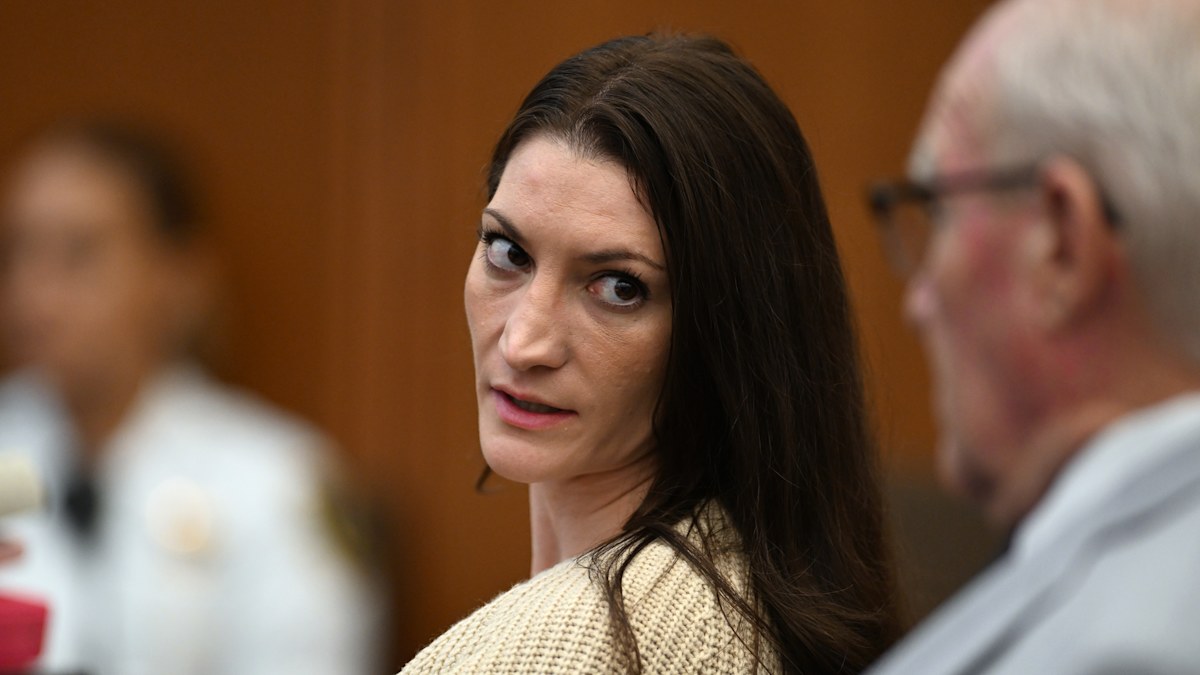
Cavanaugh told the court that one of the first things Clancy said to her while holding her hand was an expression of relief about her children’s safety.
I replied theologically to Lindsay. I said, ‘Lindsay, your children are safe.
Cavanaugh, who visited Clancy more than 200 times, also testified that Clancy alluded to hearing a voice that commanded her to act to keep her and her children safe. Prosecutors questioned why Cavanaugh failed to document this specific claim in her official hospital notes, to which Cavanaugh replied that she acted as a spiritual witness to suffering rather than a medical evaluator.
Public Demonstrations and Awareness for Postpartum Conditions
The trial has mobilized hundreds of advocates. On Thursday, a large crowd of supporters wearing pink clothing gathered outside the Plymouth courthouse, holding signs with slogans such as She Needed Help
and Peace For Lindsay
.
Attendees emphasized the broader societal neglect surrounding maternal mental health issues. April Vincent, a demonstrator from Providence, Rhode Island, voiced frustration shared by many in attendance.
Medical professionals note that postpartum psychosis is a severe psychiatric emergency distinct from common postpartum depression. According to the Cleveland Clinic and PANDA, the rare condition affects roughly one to two women per 1,000 after childbirth, bringing symptoms like severe anxiety, delusions, paranoia, and hallucinations that can endanger both mother and child.
Judge William Sullivan indicated that testimony will resume on Monday, with closing statements expected as early as next week. If convicted of first-degree murder, Clancy faces life imprisonment without parole; if jurors determine she was not criminally responsible, she will be committed to a state psychiatric facility.
По теме

